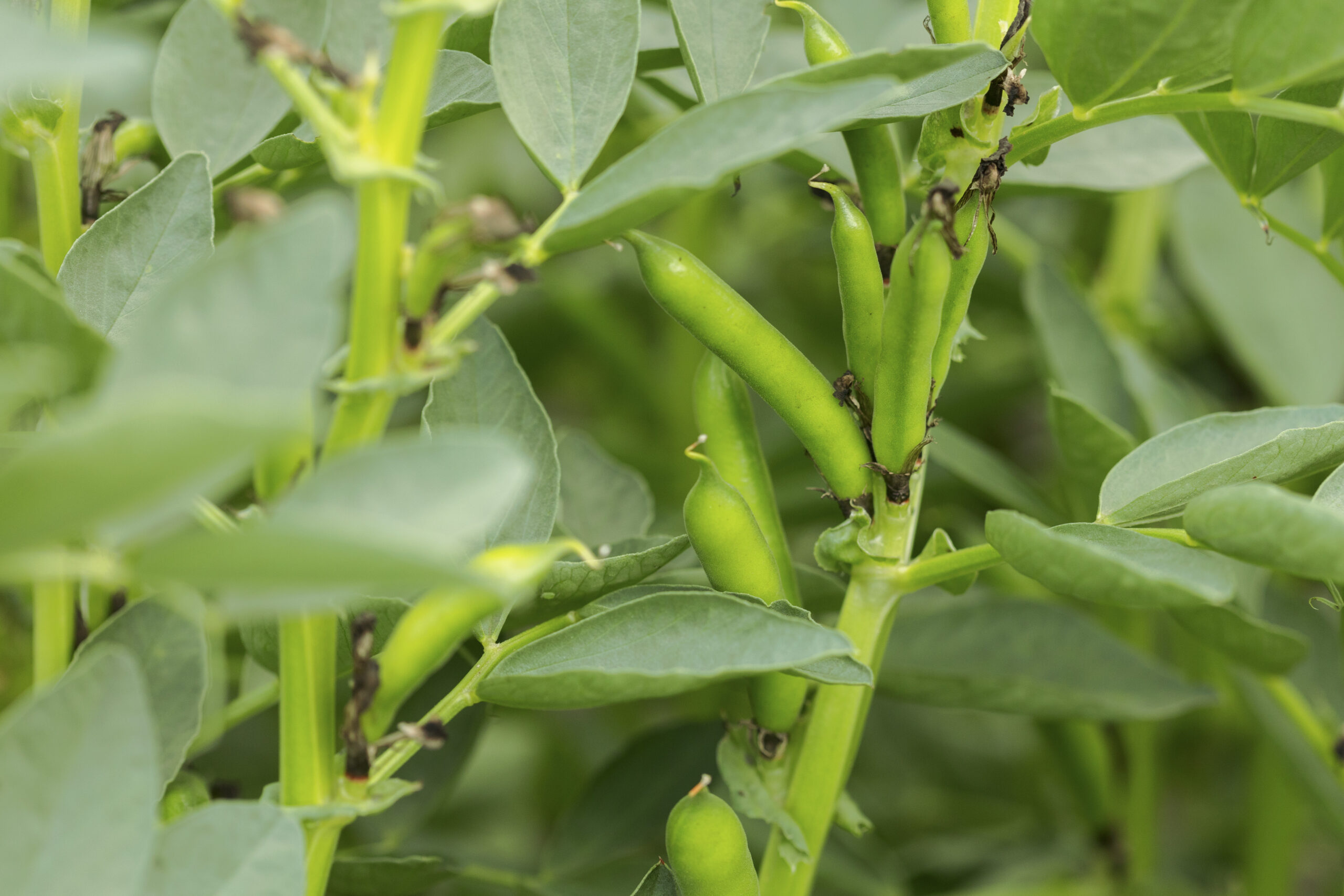
Description & Adaptation
The faba bean (Vicia faba minor) is an ancient small-seeded relative of the Chinese broad bean (V. faba major). Faba beans are best adapted to moist soils and relatively cool growing conditions, such as in the Parkland region of Saskatchewan.
Pulse crop adaptation trials in Saskatchewan showed faba bean yields at almost 100 bushels per acre under ideal growing conditions.
Faba beans grow best on well-drained loam or clay soils with a pH of 6.5 to 9.0 and require an average of 39 centimetres (15 inches) of water per season. Although faba beans are more tolerant of saturated soils than other pulses, they do not perform well under these conditions. Faba beans do not tolerate saline soils well and can be sensitive to early-season drought.
Faba Bean Plant Description
- Upright plant, ranging from 1 to 1.5 metres (3 to 5 feet) tall
- Annual legume
- One or more strong, hollow, erect stems
- Strong tap root with an average rooting depth of 0.6 metres (24 inches)
- Leaves are compound with two to six oval-shaped leaflets
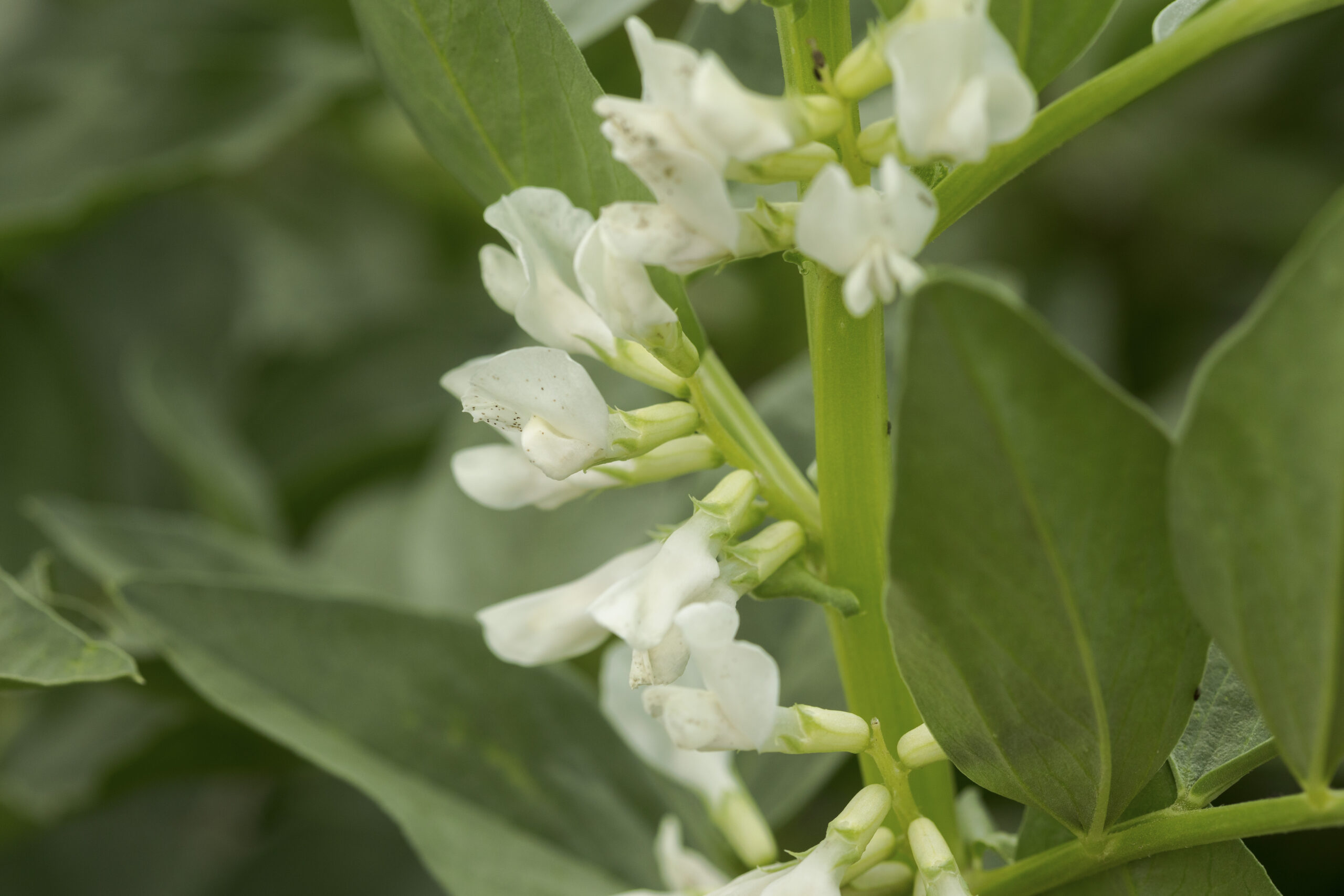
- Flowers can be pure white, purple, or pink, and each cluster may produce one to six pods
- Pods are up to 10 centimetres (four inches) long, 1 to 2 centimetres (0.4 to 0.8 inches) wide, and contain two to eight seeds per pod
- Pods turn brown or black as they mature, and seeds turn tan to brown or grey
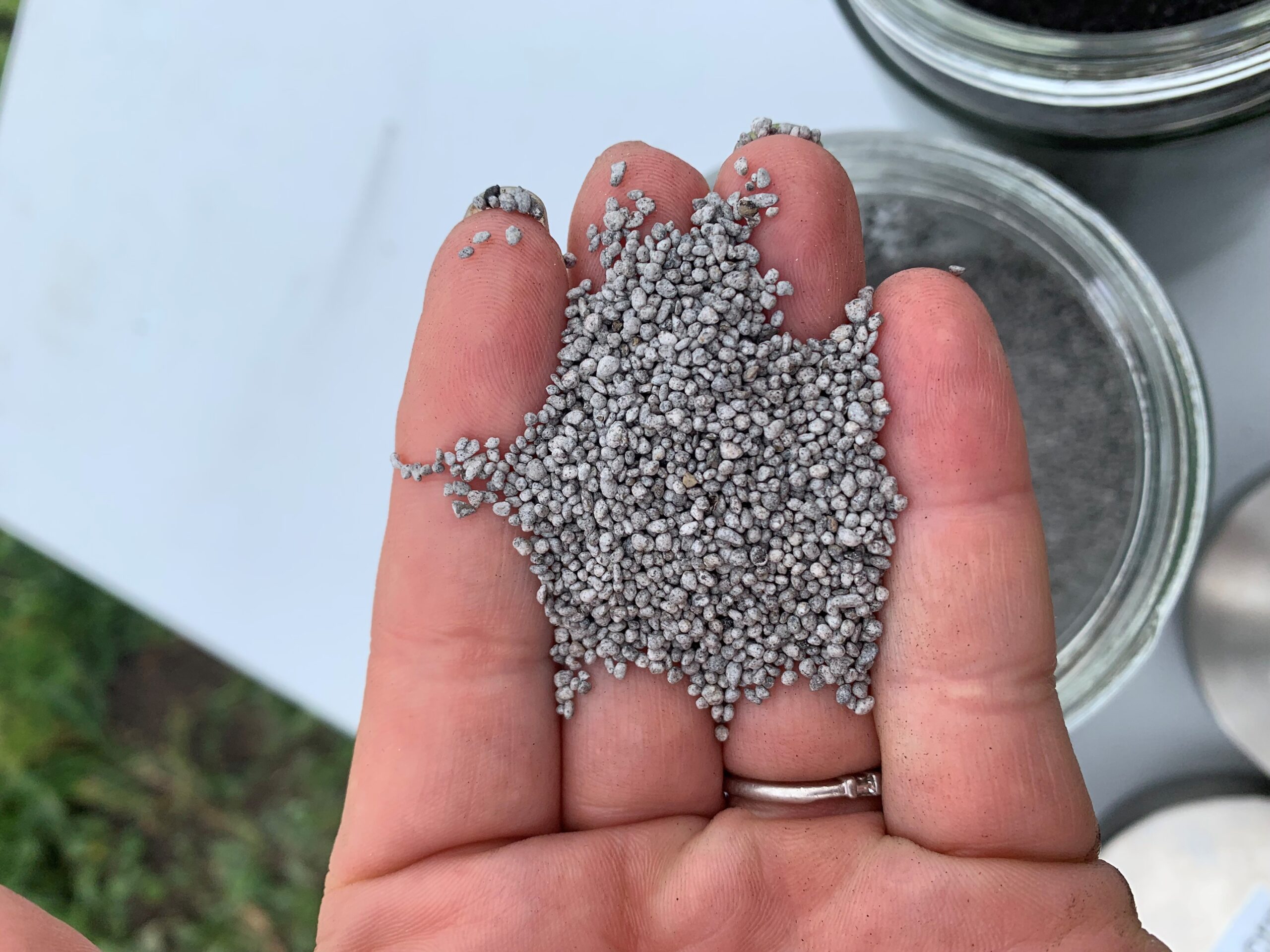
- Oblong/oval seeds weigh between 300 and 800 grams per thousand seeds
- Flowering occurs in 45 to 60 days, and maturity occurs in 100 to 130 days
- Bushel weight is 60 pounds
Related Resources
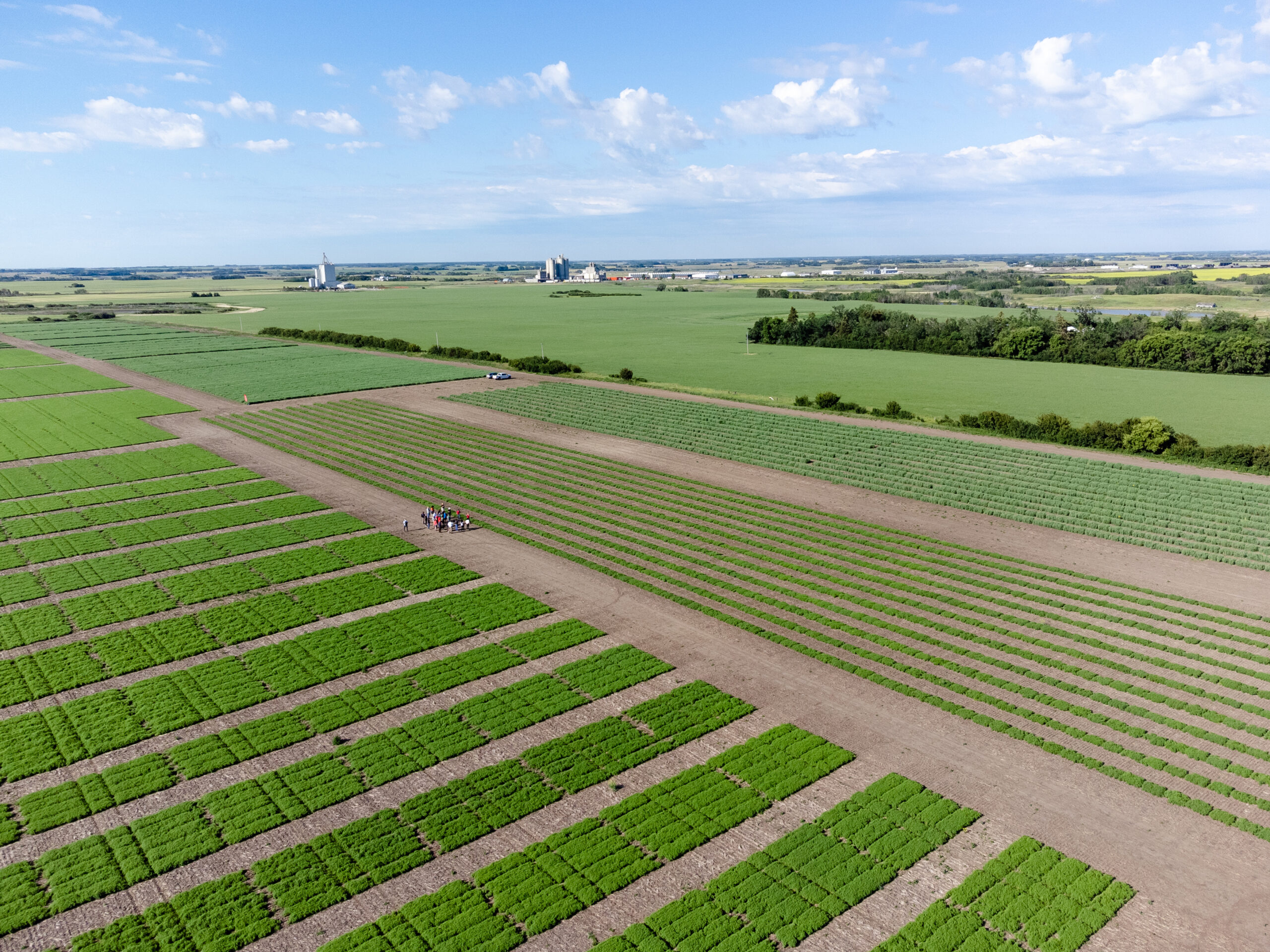
Varieties
There are two main market classes for faba beans: human food and livestock feed. Faba beans grown for the food market should generally be large-seeded. They have coloured flowers and tan-to-brown seed coats that contain tannins. White-flowered faba beans contain extremely low levels of tannin and are suitable as a high-protein livestock feed. Fractionation of faba bean seed into flour, starch, and protein is a developing market option. Approximately 60% of faba beans grown in Saskatchewan are low-tannin types destined for the feed market.
Faba beans are a long-season crop. In Saskatchewan, early-maturing varieties have the best chance of avoiding fall frost damage.
Want to see how different varieties compare?
Visit the Interactive SaskSeed Guide for information on all faba bean varieties available to Saskatchewan producers.
Related Resources
 Article
Exciting Future Ahead for Pulse Breeding
 Article
SPG’s New Breeding Partnership with J4 Agri-Science: Fast Facts
 Technical
Understanding Protein in Pulses
Seeding
To maximize the benefits of faba beans in your rotation, choose fields that have low nitrogen levels. Available soil nitrogen levels over 55 kilograms of nitrogen per hectare (kg N ha-1) (50 pounds of nitrogen per acre (lbs N ac-1)) may inhibit nitrogen fixation since faba beans will preferentially use the soil nitrogen rather than fixing nitrogen from the atmosphere.
High moisture coupled with high soil nitrogen (commonly found on fallow fields) can lead to issues including excessive vegetative growth, reduced pod set and seed production, and delayed maturity.
Faba beans are sensitive to some residual herbicides. It is important to refer to individual product labels to determine their compatibility with faba bean crops.
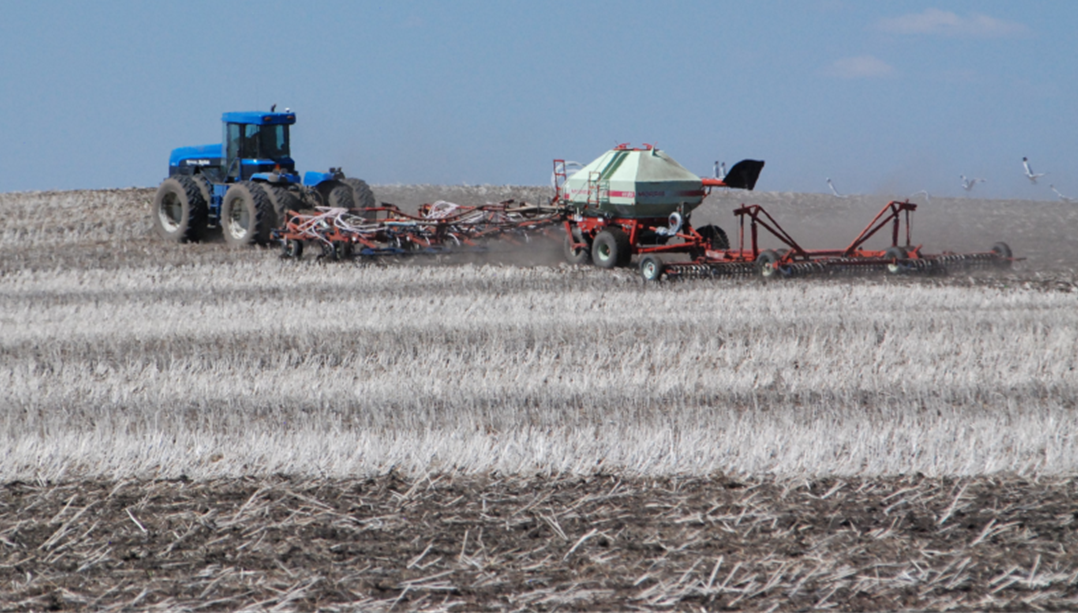
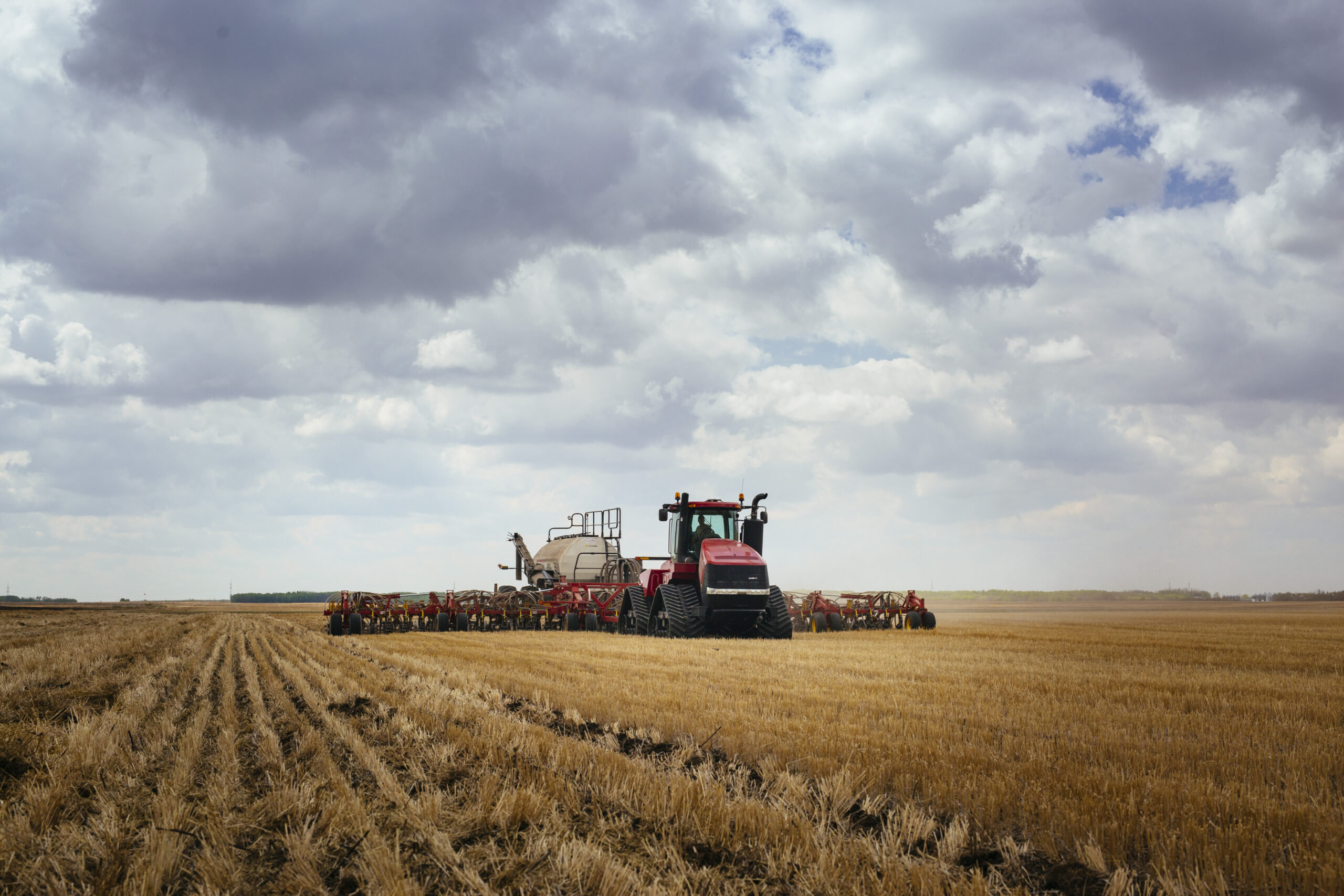
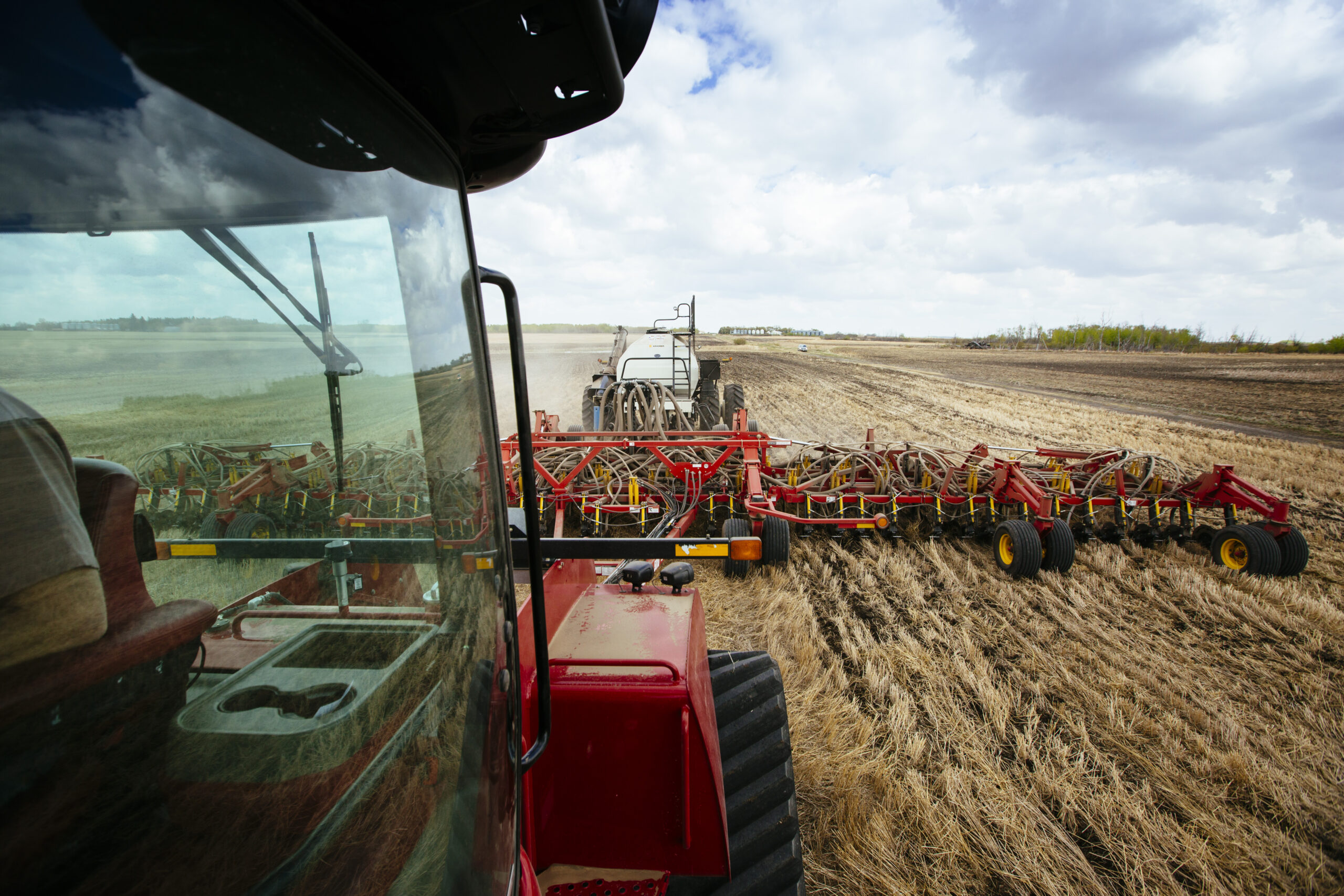
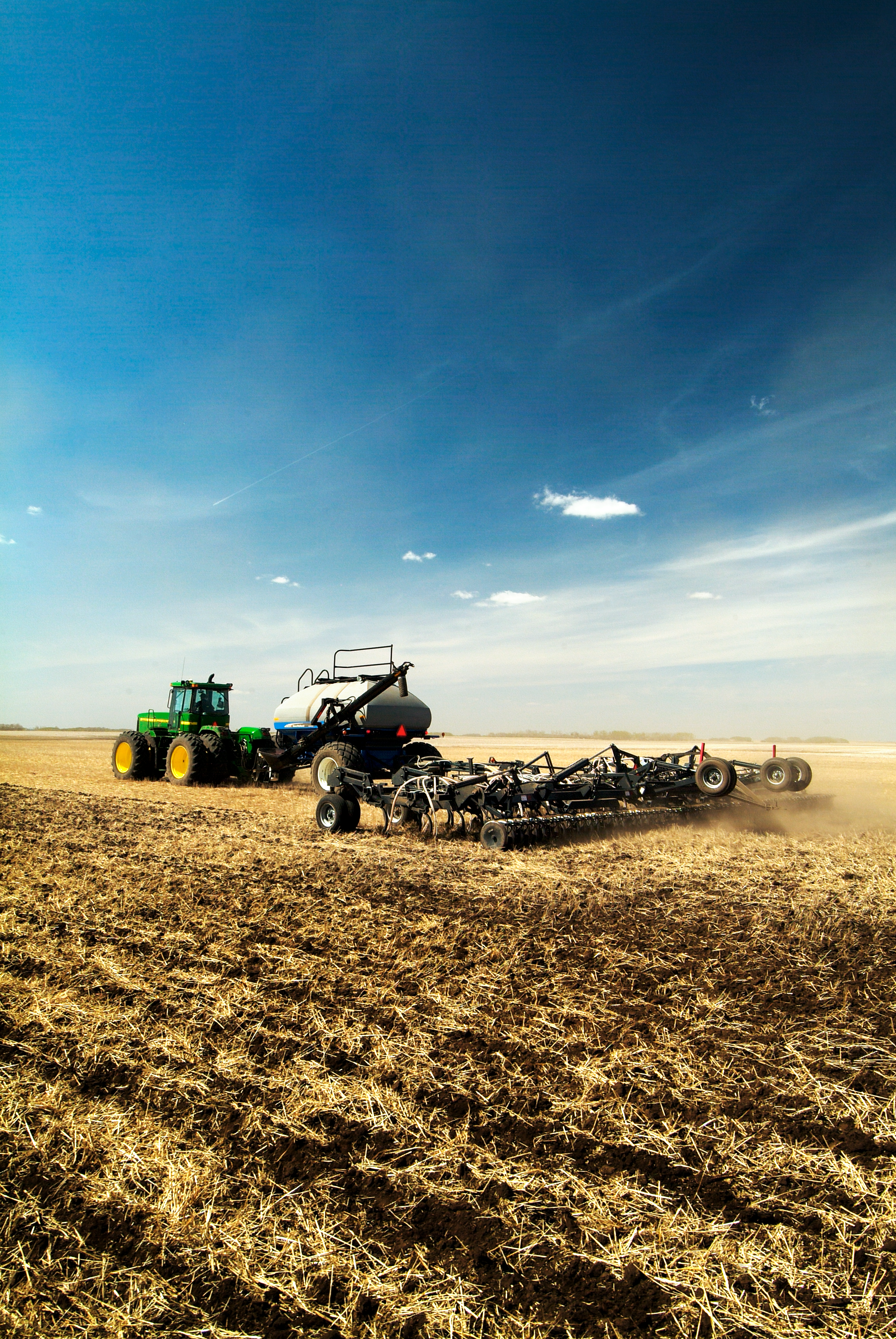
Since faba beans require early seeding for optimal yields, seeding should take place as soon as the average soil temperature at the seeding depth reaches 3 to 5°C. This is also the temperature at which germination occurs. In Alberta, faba bean growers generally do not plant faba beans past May 7th due to maturity concerns.
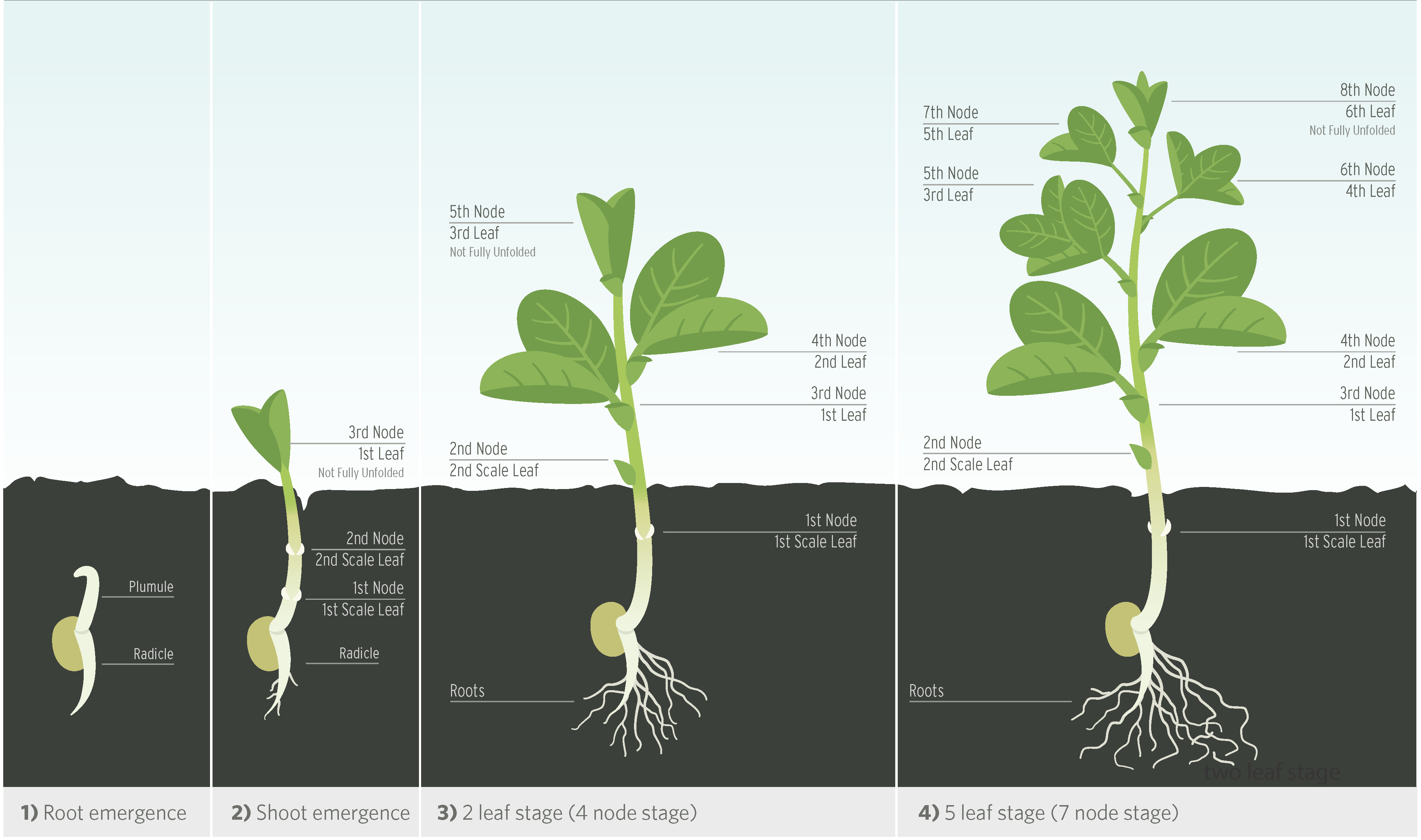
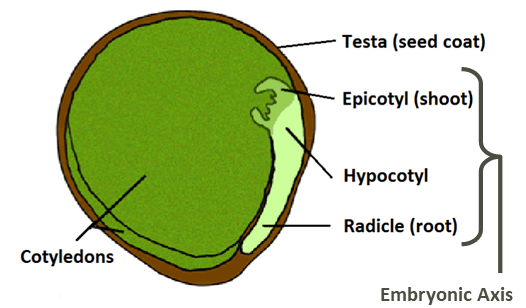
Faba bean seedlings can tolerate some late spring frost due to their hypogeal growth pattern. If the frost kills the main shoot, regrowth from nodes at or below the soil surface can occur, but maturity will be delayed. Faba beans are very sensitive to heat stress at flowering. Early seeding advances crop maturity, reducing the risk of flower abortion associated with high temperatures during the flowering stage.
Faba beans are very sensitive to heat stress at flowering. Early seeding advances crop maturity, reducing the risk of flower abortion associated with high temperatures during the flowering stage.
Related Resources
 Technical
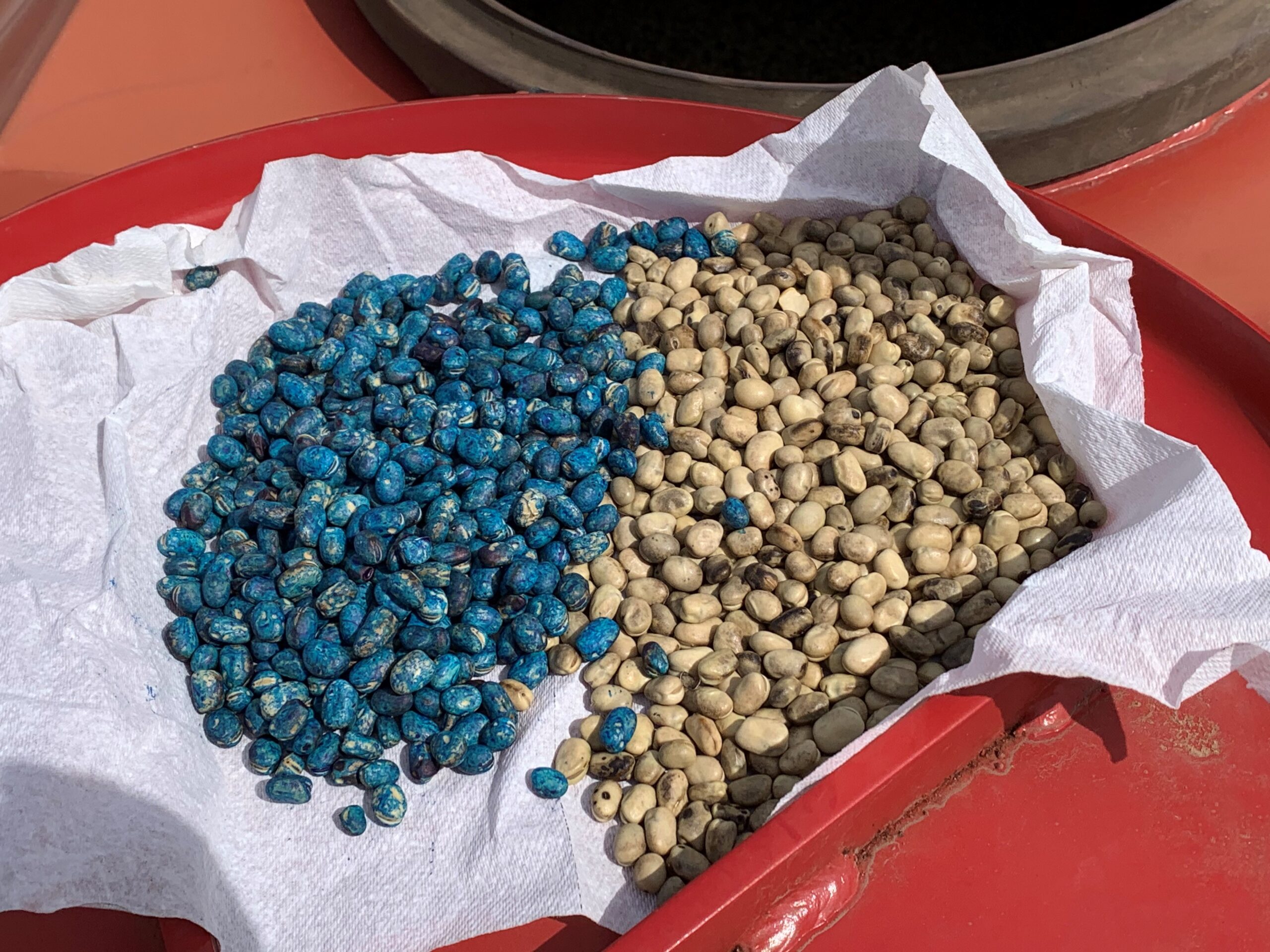
Faba Bean Seed Treatment Options
 Technical
Pre-Seed and Pre-Emergent Herbicide Options for Pulse Crops
 Technical
Calculating Seeding Rates
Inoculation & Fertility
Faba beans derive up to 90% of their required nitrogen from biological nitrogen fixation. The remaining nitrogen comes from what is available in the soil at seeding, and nitrogen that is released (mineralized) from the soil during the growing season. As such, application of nitrogen fertilizer is not recommended.
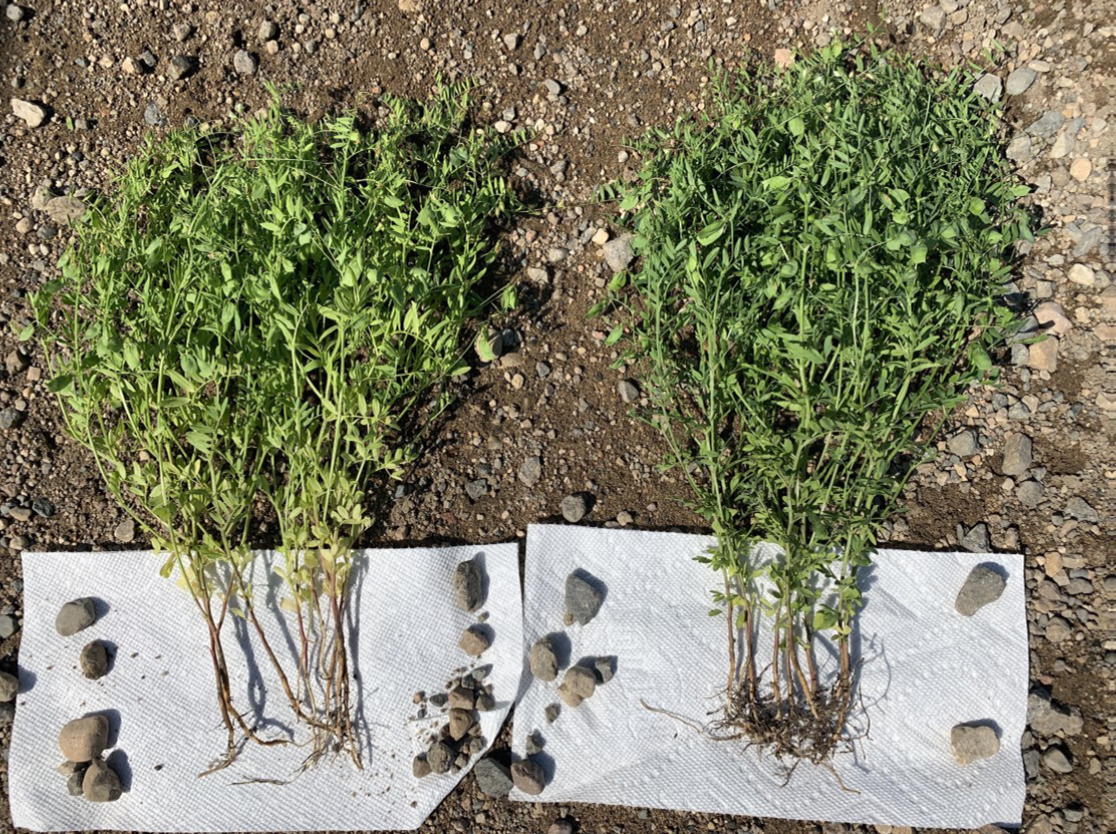
Faba beans fix atmospheric nitrogen through nodules that form on plant roots. Nodule formation is very sensitive to external nitrogen sources, including fertilizer and available soil nitrogen. As the supply of external nitrogen increases, the amount of nitrogen fixation decreases. When external nitrogen levels are between 28 and 40 kg N ha-1 (25 to 35 lb N ac-1), adding nitrogen fertilizer will delay and reduce nodulation. External nitrogen levels greater than 55 kg N ha-1 (50 lb N ac-1) can prevent nodulation entirely.
It can take up to four weeks after planting for full nitrogen fixation to occur. During this time, plant growth may be inhibited, and plants may appear yellow if soil nitrogen levels are less than 11 kg N ha-1 (10 lb N ac-1) in the top 30 centimetres (12 inches). Early-season nitrogen deficiency can be corrected by adding low levels of starter nitrogen at seeding. Typically, mono ammonium phosphate (MAP) (i.e., 12-51-0) provides sufficient nitrogen for early plant growth.
Faba beans require a lot of phosphorus. Phosphorus promotes the development of extensive root systems, which encourages nodule development, thereby increasing nitrogen fixation. It also allows for better access to soil resources, improves disease resistance, and hastens maturity.
A soil test best determines phosphorus requirements. The maximum safe rate of actual phosphate applied with the seed is 45 kg P2O5 ha-1 (40 lb P2O5 ac-1) based on 10 to 15% seedbed utilization (SBU) under good to excellent moisture conditions. Calculate SBU by dividing the seed spread behind the opener by row spacing. For example, a 2.5 cm (1 in) spread with a 22.5 cm (9 in) row spacing yields an SBU of 11%. Seed-placed phosphate fertilizer rates should be reduced if soil moisture is low. If side-banding is available, sideband all phosphate fertilizer. Side-banding is especially recommended if using narrow openers and if higher phosphorus rates are needed, as this can damage emerging seedlings.
Potassium is usually not required, but deficiencies may exist, especially in sandy black and grey soils. Fields low in potassium should be corrected based on soil test recommendations.
When potassium fertilizer is placed with the seed, the total application of phosphate (P2O5) plus potassium (K2O) must not exceed the maximum safe rate of seed-placed phosphate, which is 40 lb ac-1 under good-to-excellent moisture conditions.
Sulphur is required for optimal yields and should be included in the fertilizer blend according to soil test recommendations.
Sulphate-sulphur, the plant-available form of sulphur, may be used to correct sulphur deficiencies. When ammonium-sulphate fertilizer is placed with the seed, total pounds of nitrogen from ammonium sulphate and other nitrogen-contributing fertilizers should not exceed the maximum safe rate of seed-placed urea-nitrogen.
Micronutrient deficiencies in faba bean production have not been a concern in Western Canada. However, if a micronutrient deficiency is suspected, consult an agronomist to help identify the problem. It is advisable to analyze soil and plant samples from the suspect area and compare the results with those from soil and plant samples collected from a non-affected area of the same field. If the analysis confirms a micronutrient deficiency at a relatively early growth stage, a foliar application of the appropriate micronutrient may correct the problem.