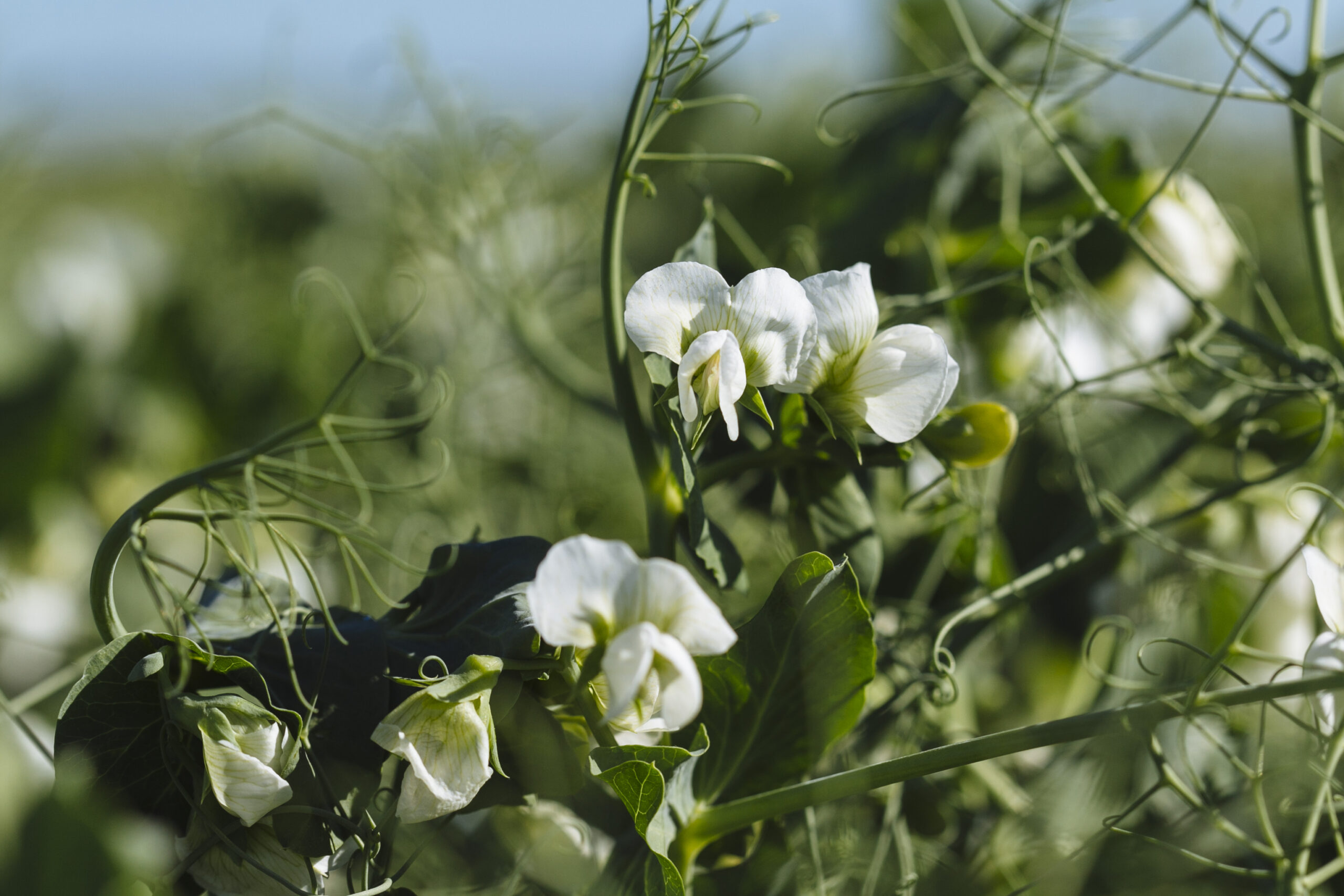
Canada is the second-largest producer and the number-one exporter of peas globally. Pea-seeded area in Canada averaged 3.7 million acres from 2019–2020 to 2023–2024. Saskatchewan is the largest producer of peas (2 million acres on average from 2019–2020 to 2023–2024), followed by Alberta (1.5 million acres on average). In 2023–2024, Canadian production comprised 86% yellow peas, 11% green peas, and 3% other types.
Over the past decade, global pea production has increased by more than 30%; during that same period, international trade has risen by 42%, with China, Türkiye, Pakistan, and the U.S. as the top importers.
Trade
From 2018–2019 to 2022–2023, Canadian pea exports averaged 3 million tonnes, with China, the United States (U.S.), Bangladesh, and India as the top buyers. Over the past decade, China’s pea import demand has grown by 137%, with volumes topping 2 million tonnes annually. China is the largest buyer of both Canada’s yellow and green peas. After dropping its import tariffs, India has returned as a significant buyer.
In recent years, Russia has become a key competitor in the Chinese and Indian markets, as output has grown considerably and surpassed Canadian production. Canada competes with Ukraine, France, the U.S., and Australia in the global pea export market. Global pea export value has increased by 60% over the last ten years.
Processing & Uses
Peas are used for human consumption and livestock feed. Most peas in Western Canada move into human food markets, in domestic processing or export channels. Green peas are typically consumed in whole or split form, while yellow peas are frequently processed by fractionation for protein, fibre, and starch components. Off-grade peas are used in animal feed, pet food, and aquaculture.
Pea processing in Western Canada and the U.S. has grown recently, as demand for plant-protein-based food products has risen. Canada’s domestic usage averaged 420,000 tonnes from 2018–2019 to 2022–2023, but is expected to continue growing in the years ahead.
Market Opportunities
Peas are expected to remain essential to Canadian farmers’ crop rotations with agronomic and financial benefits. Global consumption of peas has been rising along with increased processing demand for commercial food products, expanding market opportunities.