New varieties. Same fields. Better yields.
As farmers plan seeding for the upcoming production year, consider switching to the latest red lentil, green lentil, yellow pea, green pea, Kabuli chickpea, and low-vicine/convicine (LVC) faba bean varieties for higher yields. These new varieties have outperformed traditional ones in several ways, including higher yields, higher protein content, improved seed quality, better standability, reduced bleaching, and, in some cases, earlier maturity.
Red Lentil
In Saskatchewan, a small red lentil variety, CDC Maxim Clearfield® (CL), has dominated the market since its introduction in 2007; however, its popularity has continued to decline as growers increasingly opt for newer, higher-yielding alternatives. For 2027, growers have exciting new options, including two small red varieties and a standout large red variety.
*Clearfield is a registered trademark of BASF, used under license by BASF Canada Inc. © 2026 BASF Canada Inc.
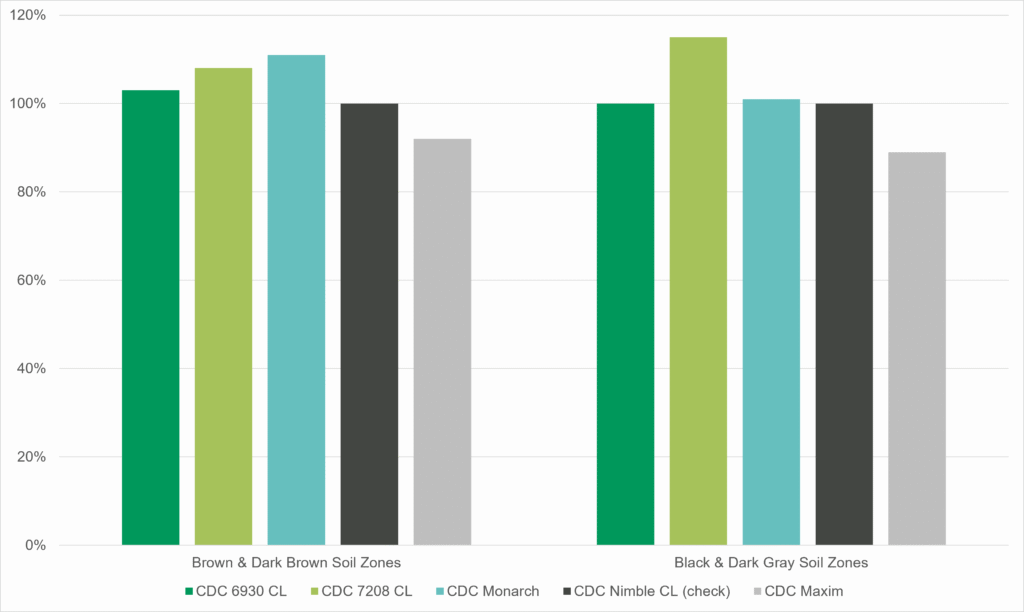
% Yield of CDC Nimble CL by Variety for Red Lentils
CDC 6930 CL, NEW small red lentil
CDC 6930 CL is a new small red lentil offering strong, consistent performance. It yields 3% more than CDC Nimble CL in the south and matches it in the north, while delivering 10–12% higher yields than CDC Maxim CL across both regions. The variety has a seed size of 37 TKW and shows moderate resistance to both Ascochyta blight and Anthracnose (race 1).
Learn more about CDC 6930 CL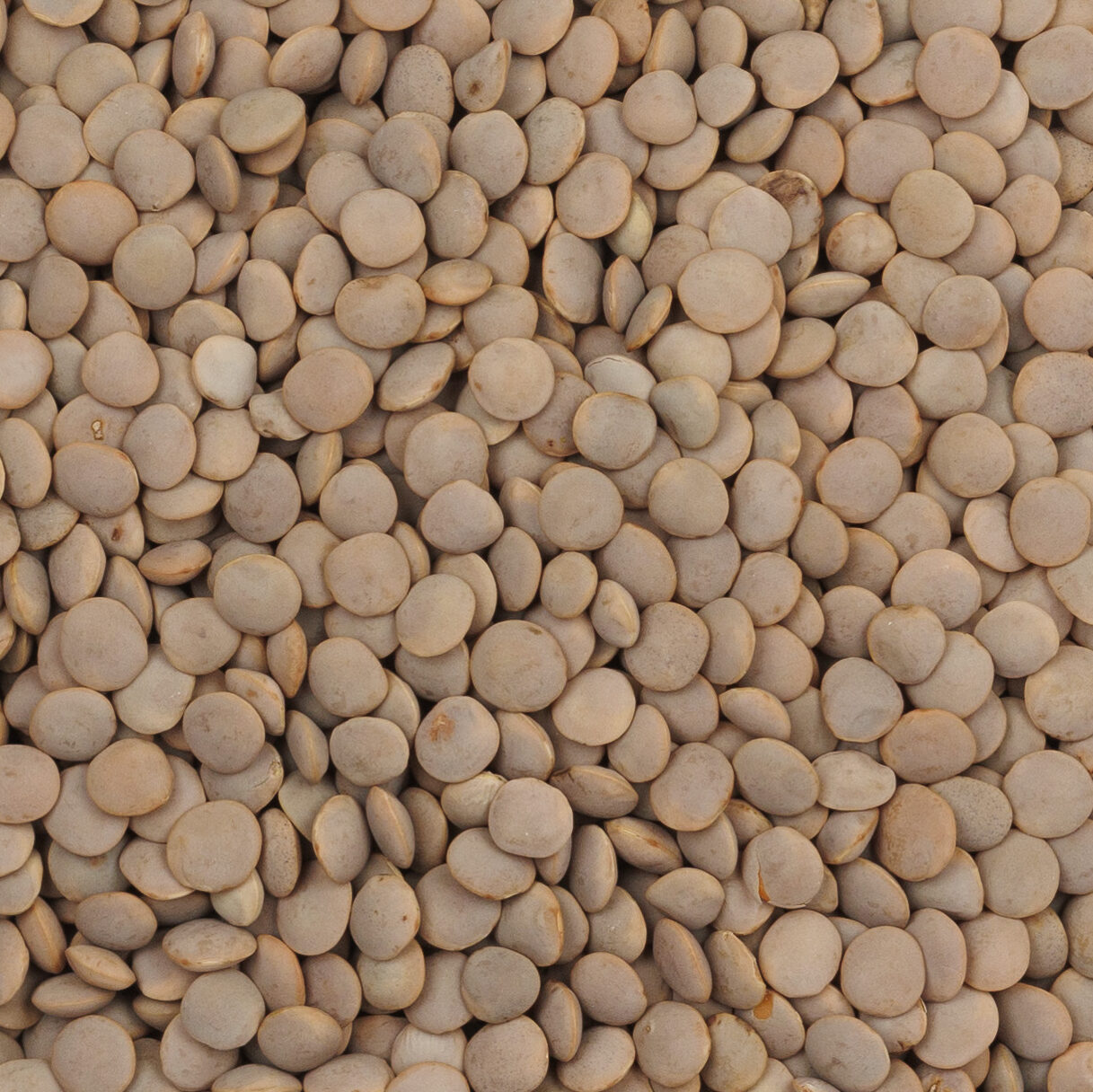
CDC 7208 CL, NEW small red lentil
CDC 7208 CL delivers a significant yield jump, particularly in northern growing conditions. It yields 8% more than CDC Nimble CL in the south and 15% more in the north, and 17% more than CDC Maxim CL in the south and 26% more in the north. This variety has a seed size of 41 TKW and offers moderate resistance to both Ascochyta blight and Anthracnose (race 1).
Learn more about CDC 7208 CL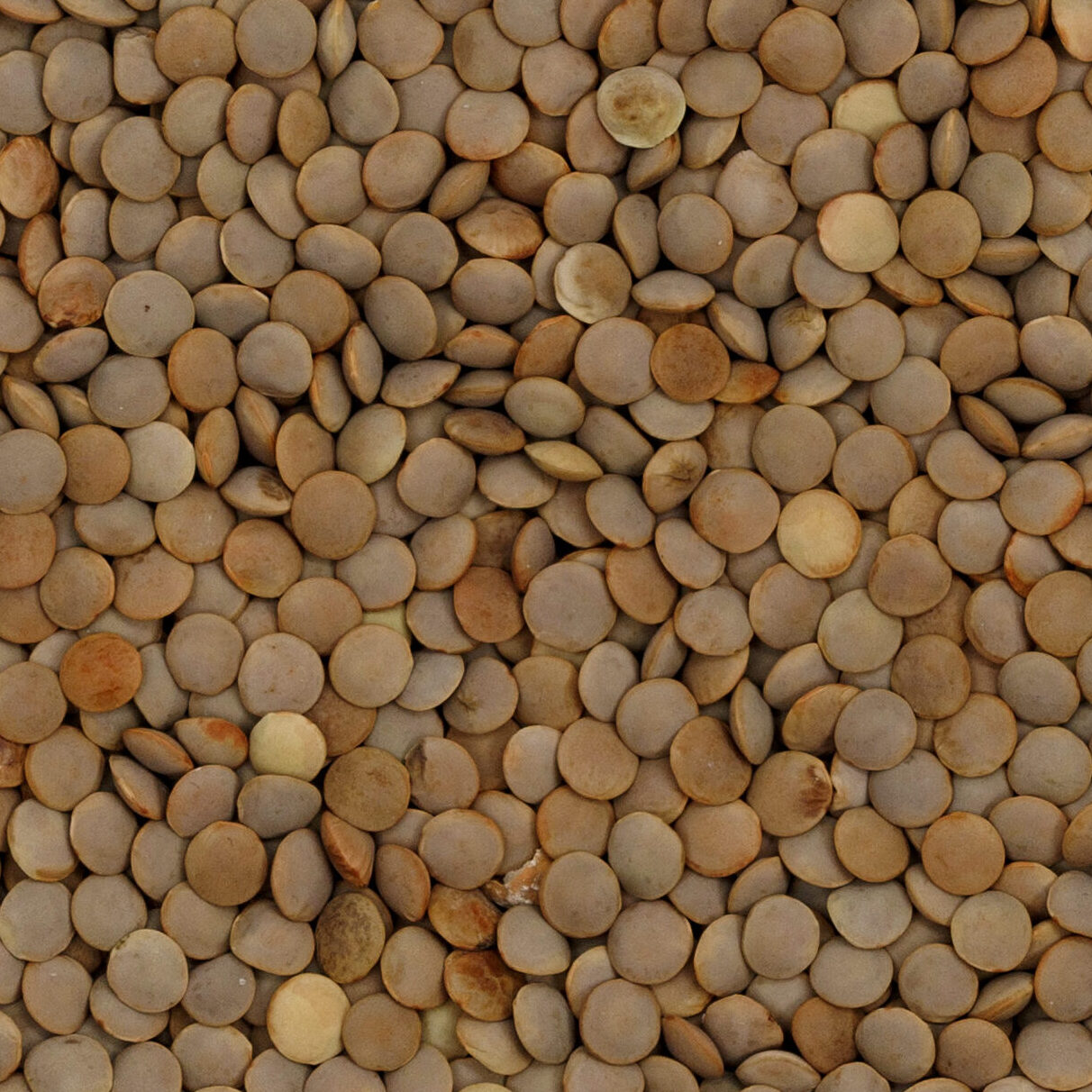
CDC Monarch CL, large red lentil
CDC Monarch CL remains the highest-yielding red lentil variety in the south, yielding 11% more than CDC Nimble CL in the south and 1% more in the north, while outperforming CDC Maxim CL by 19% in the south and 14% in the north. The variety is taller than CDC Nimble CL or CDC Maxim CL and offers good yield stability with moderate resistance to Ascochyta blight and Anthracnose (race 1).
Learn more about CDC Monarch CL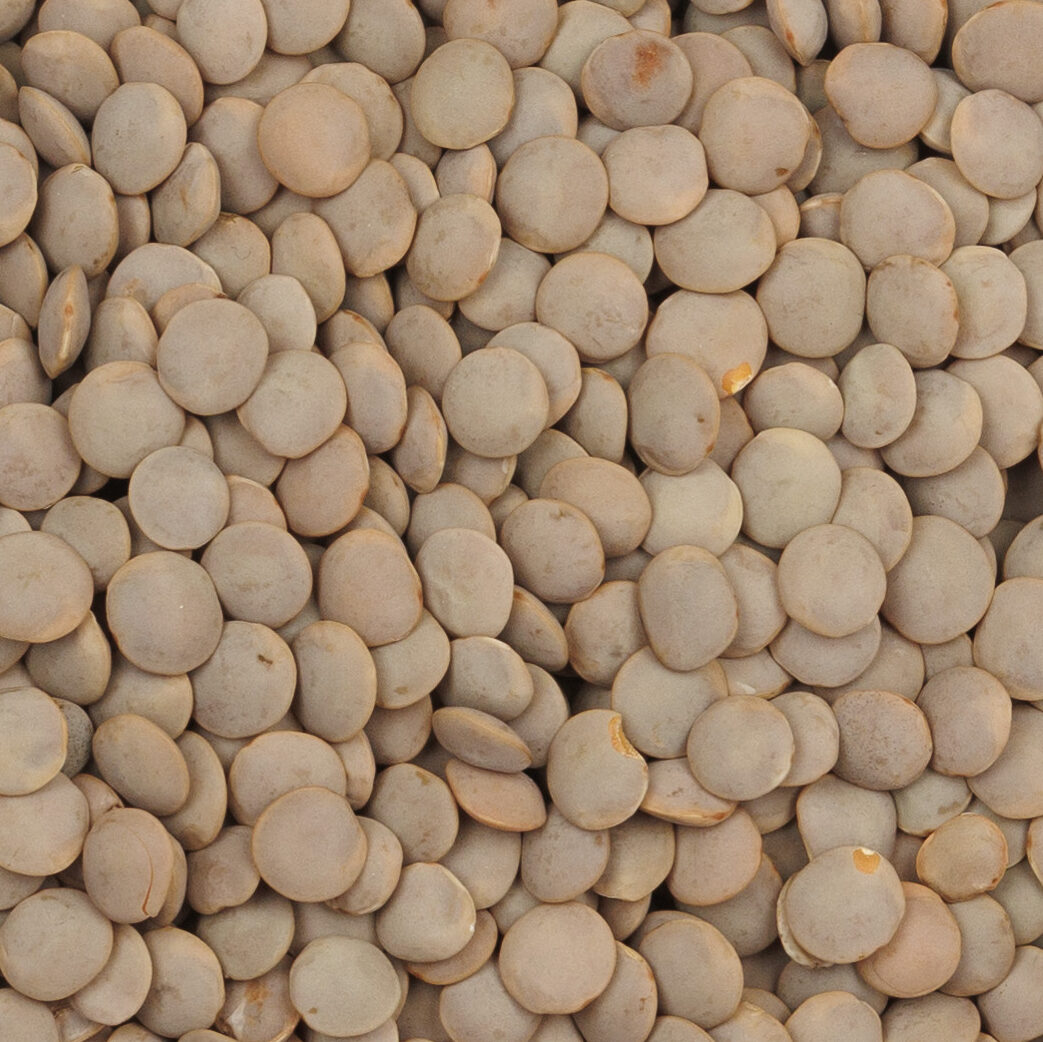
Green Lentil
The green lentil market continues to evolve, with a new large green lentil variety joining the established small green lentil lineup.
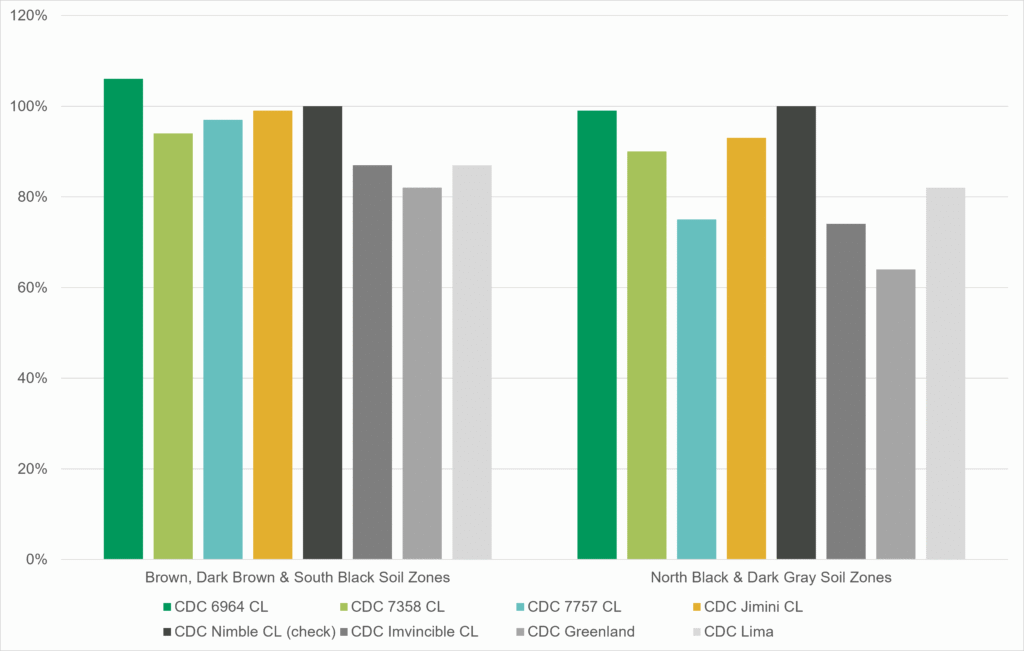
% Yield of CDC Nimble CL by Variety for Green Lentils
CDC 7358 CL, NEW small green lentil
CDC 7358 CL is a new small green lentil that performs especially well in northern conditions, yielding 8% more than CDC Imvincible CL in the south and 16% more in the north — a 5% edge over CDC Jimini CL in the north, though 3% behind it in the south. Its height is similar to CDC Imvincible CL (shorter than CDC Jimini CL), with a seed size of 34 TKW similar to CDC Imvincible CL, and moderate resistance to both Ascochyta blight and Anthracnose (race 1).
Learn more about CDC 7358 CL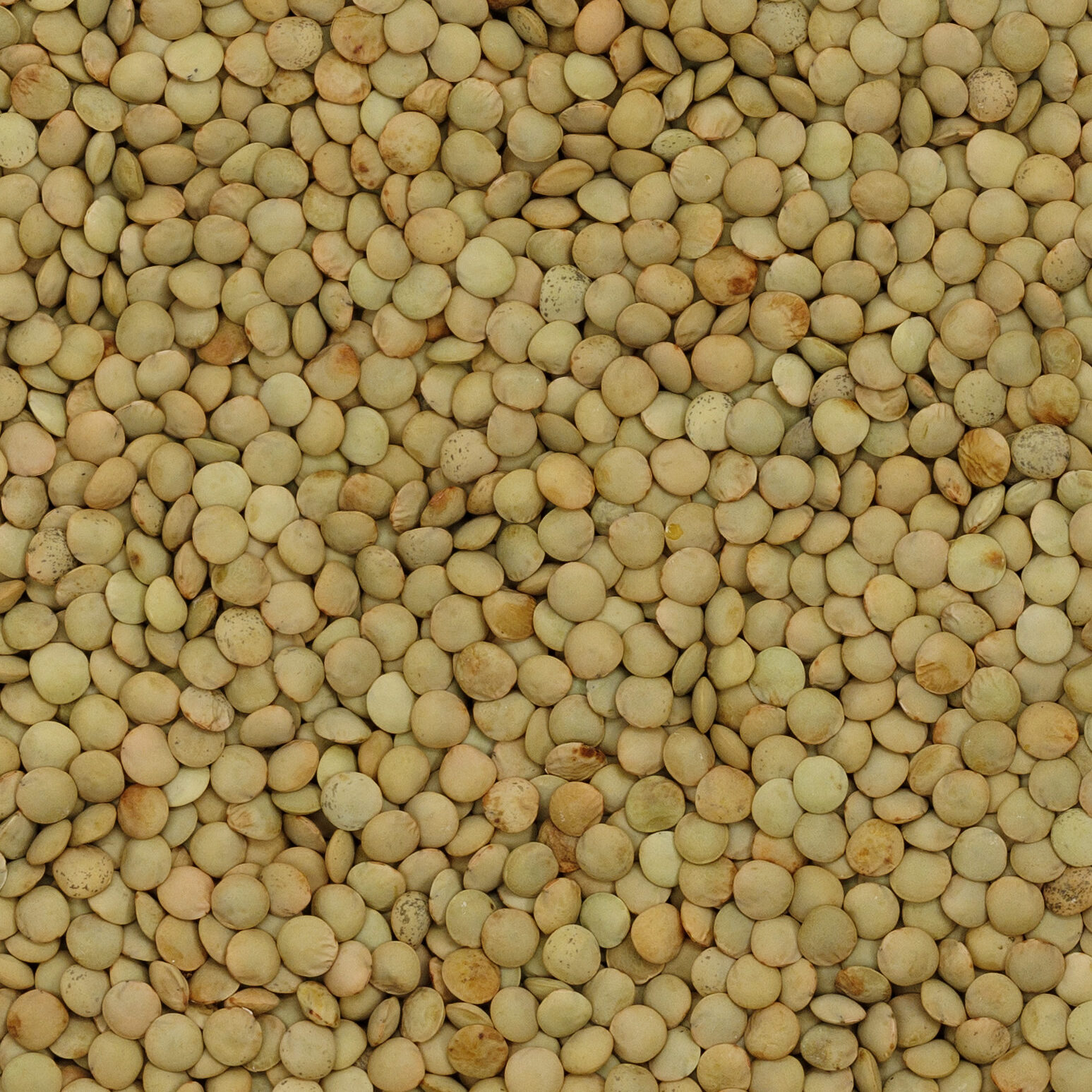
CDC 7757 CL, NEW large green lentil
CDC 7757 CL is a new large green lentil and the highest-yielding large green lentil variety in the south, yielding 5% more than CDC Greenstar in the south and 2% more in the north, and topping CDC Greenland by 20–21% across both regions. It also yields 10% more than CDC Lima CL in the south. The variety has a seed size of 64 TKW (similar to CDC Greenland) and is shorter than CDC Greenstar, with moderate resistance to Ascochyta blight and Anthracnose (race 1).
Learn more about CDC 7757 CL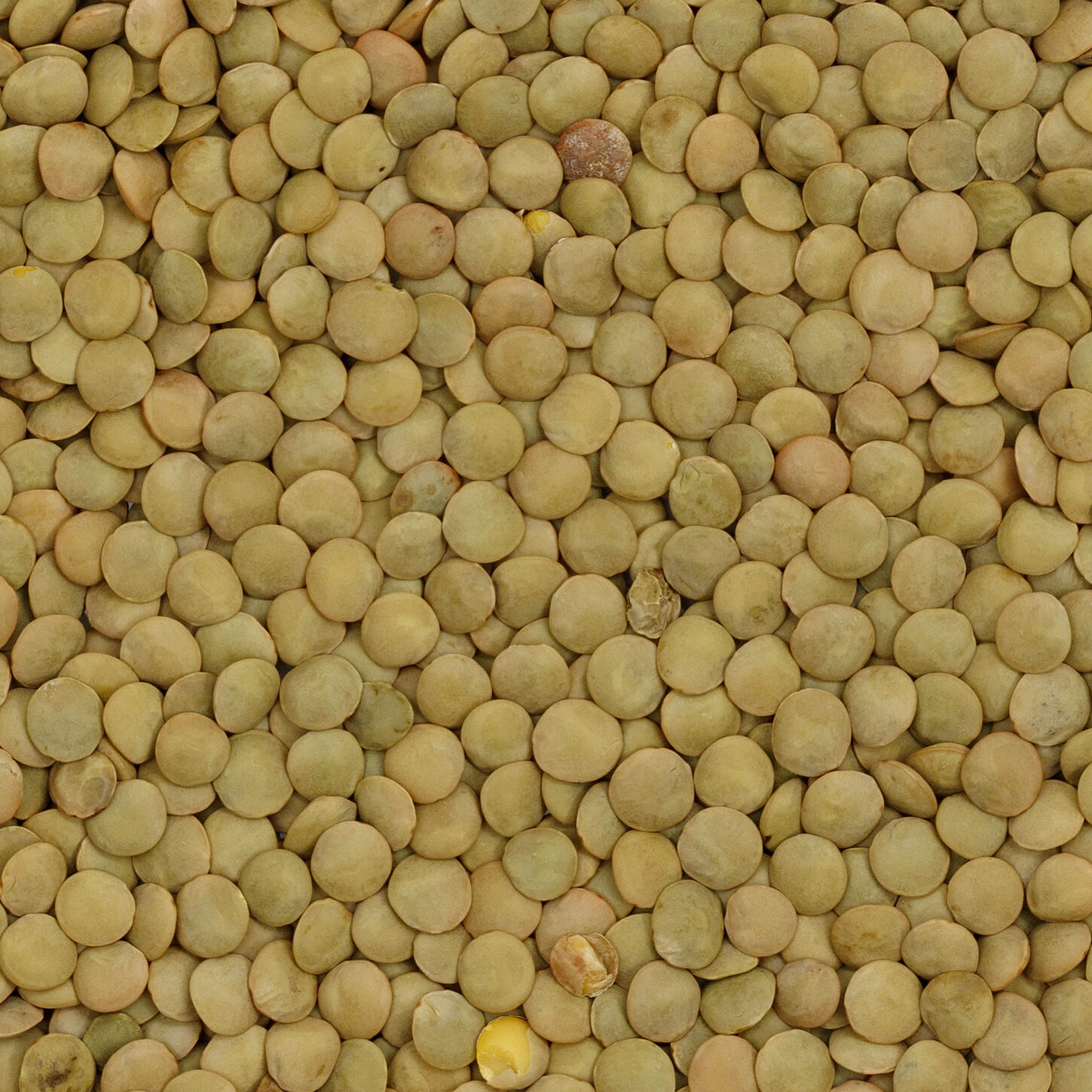
CDC 6964 CL, NEW small green lentil
CDC 6964 CL is the highest-yielding small green lentil variety in the north, yielding 12% more than CDC Imvincible CL in the south and 18% more in the north — including a 6% edge over CDC Jimini CL in the north (though 1% behind it in the south). It has a height similar to CDC Jimini CL, a seed size of 34 TKW, and moderate resistance to both Ascochyta blight and Anthracnose (race 1).
Learn more about CDC 6964 CL
CDC Jimini CL, NEW small green lentil
CDC Jimini CL remains the highest-yielding small green lentil variety in the south, yielding 13% more than CDC Imvincible CL in the south and 12% more in the north. The variety is taller than CDC Invincible CL and CDC Maxim CL and features a large seed size for this market class (38 g/1000 seeds vs. 34 g for CDC Invincible CL). It offers moderate resistance to both Ascochyta blight and Anthracnose (race 1).
Learn more about CDC Jimini CL
Yellow Pea
Older varieties such as CDC Meadow and CDC Amarillo continue to lose ground to newer, higher-yielding options. For 2027, yellow pea growers have two new varieties to consider alongside established performers.
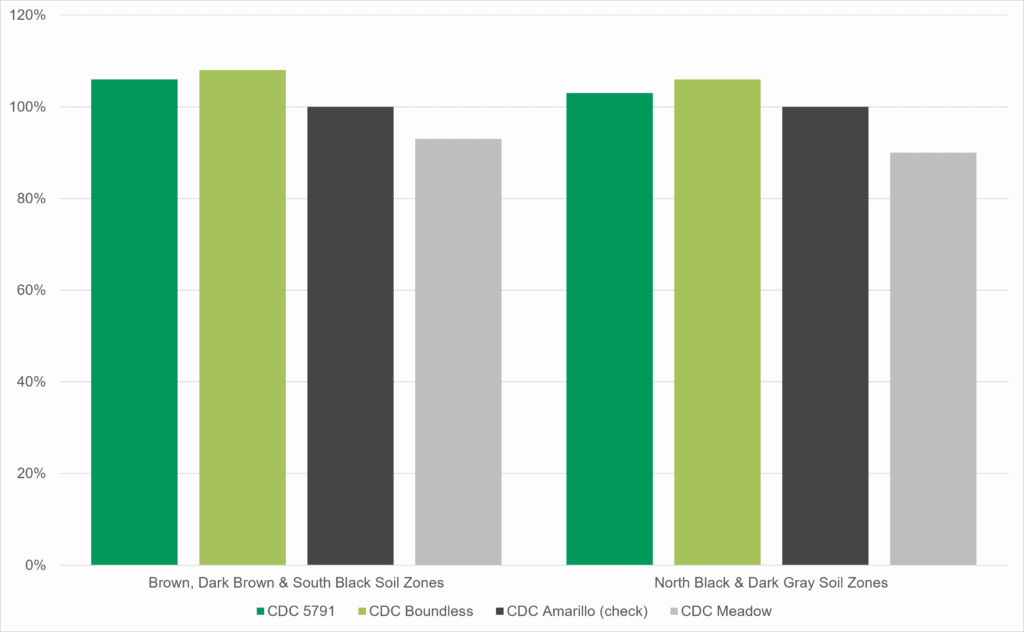
% Yield of CDC Amarillo by Variety for Yellow Peas
CDC 5791, NEW
CDC 5791 delivers strong yields, particularly in the south. It yields 6% more than CDC Amarillo in the south and 3% more in the north, and 13% more than CDC Meadow in both the south and north. This variety stands out for excellent standability and high protein content, with a seed size of 250 TKW, good resistance to seed coat breakage, and moderate resistance to Fusarium root rot.
Learn more about CDC 5791
CDC Boundless, NEW
CDC Boundless is a new high-yielding yellow pea with good yield stability in both northern and southern geographies. It yields 8% more than CDC Amarillo in the south and 6% more in the north, and 15% more than CDC Meadow in the south and 16% more in the north. This variety offers very good standability, good protein content, a seed size of 230 TKW, good resistance to seed coat breakage, and moderate resistance to Fusarium root rot.
Learn more about CDC Boundless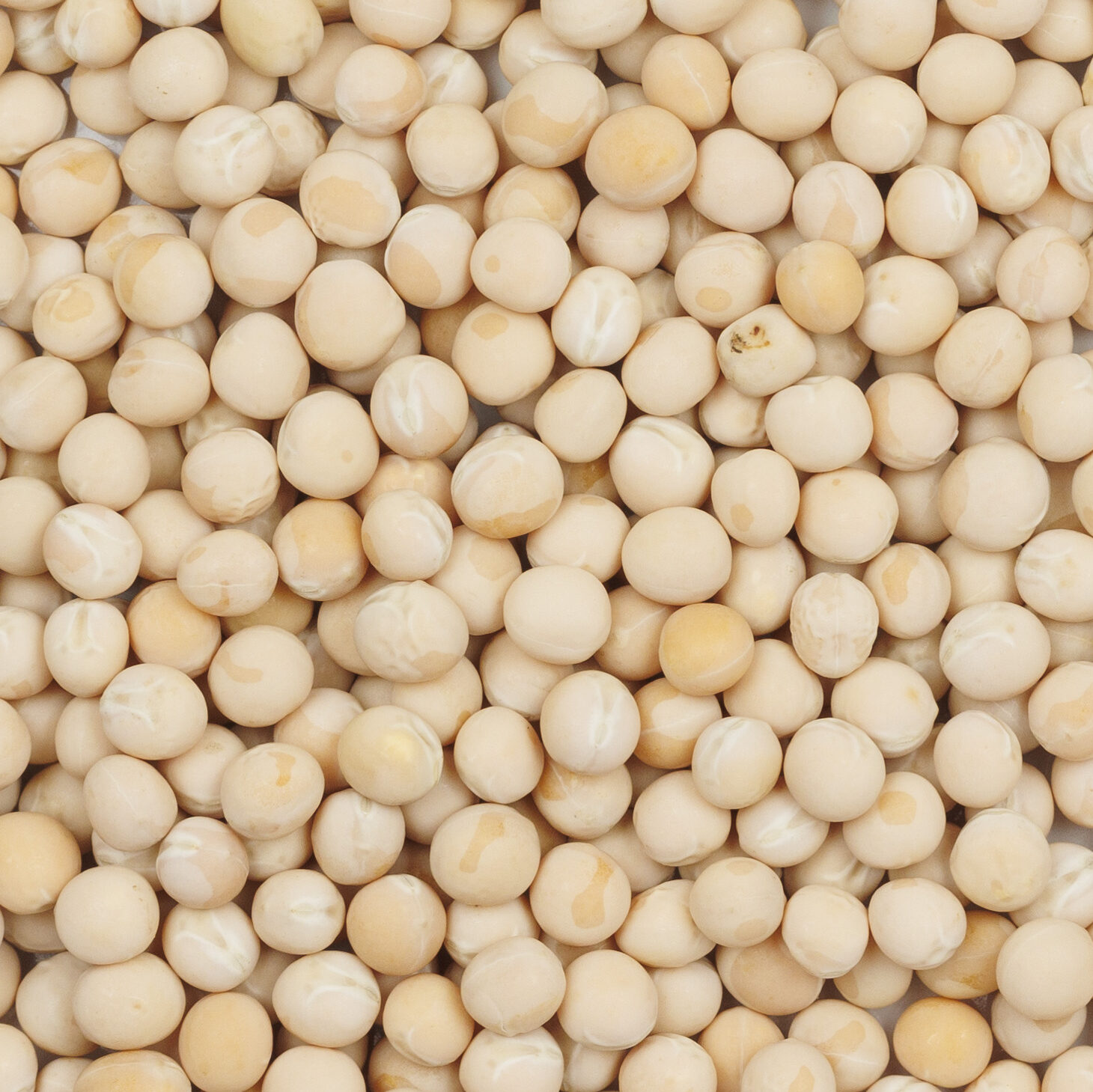
Green Pea
Green pea growers continue to benefit from two strong varieties that offer yield advantages and improved characteristics over traditional options.
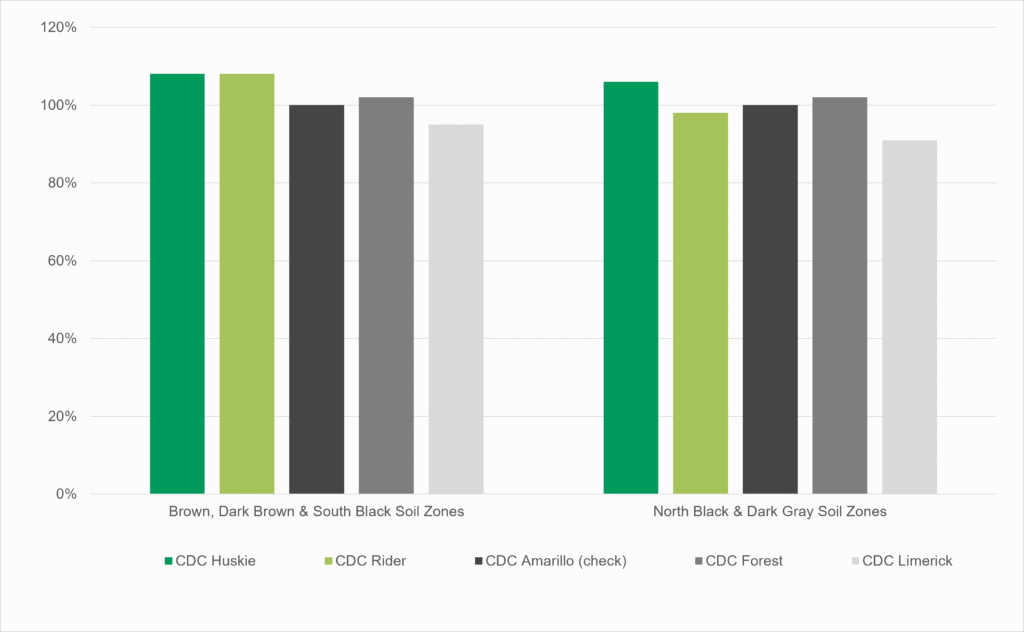
% Yield of CDC Amarillo by Variety for Green Peas
CDC Huskie
CDC Huskie remains the highest-yielding green pea variety in both northern and southern geographies. It yields 6–8% more than CDC Amarillo and 4–6% more than CDC Forest, while delivering yields 13–15% higher than CDC Limerick. This variety exhibits good resistance to bleaching (outperforming CDC Forest), offers very good standability, and features a small seed size (220 TKW) for economical seeding. It also provides good resistance to seed coat breakage and demonstrates moderate resistance to Fusarium root rot.
Learn more about CDC Huskie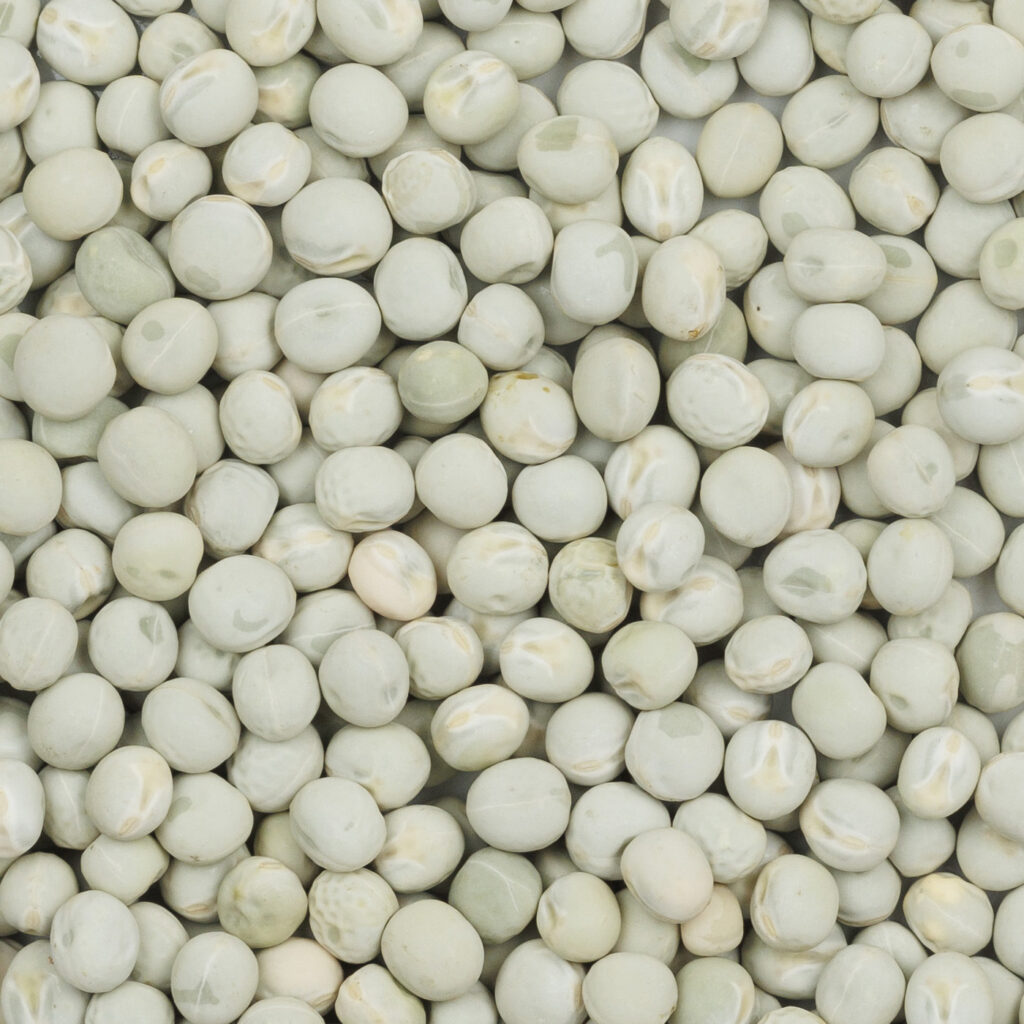
CDC Rider
CDC Rider is another high-yielding green pea that performs well across geographies, yielding similarly to CDC Amarillo and matching CDC Forest performance in the south, while performing 4% lower than CDC Forest in the north. It delivers yields 6–8% higher than CDC Limerick. This variety stands out for excellent standability, good bleaching resistance compared to CDC Forest, a seed size of 230 TKW, good resistance to seed coat breakage, and moderate resistance to Fusarium root rot.
Learn more about CDC Rider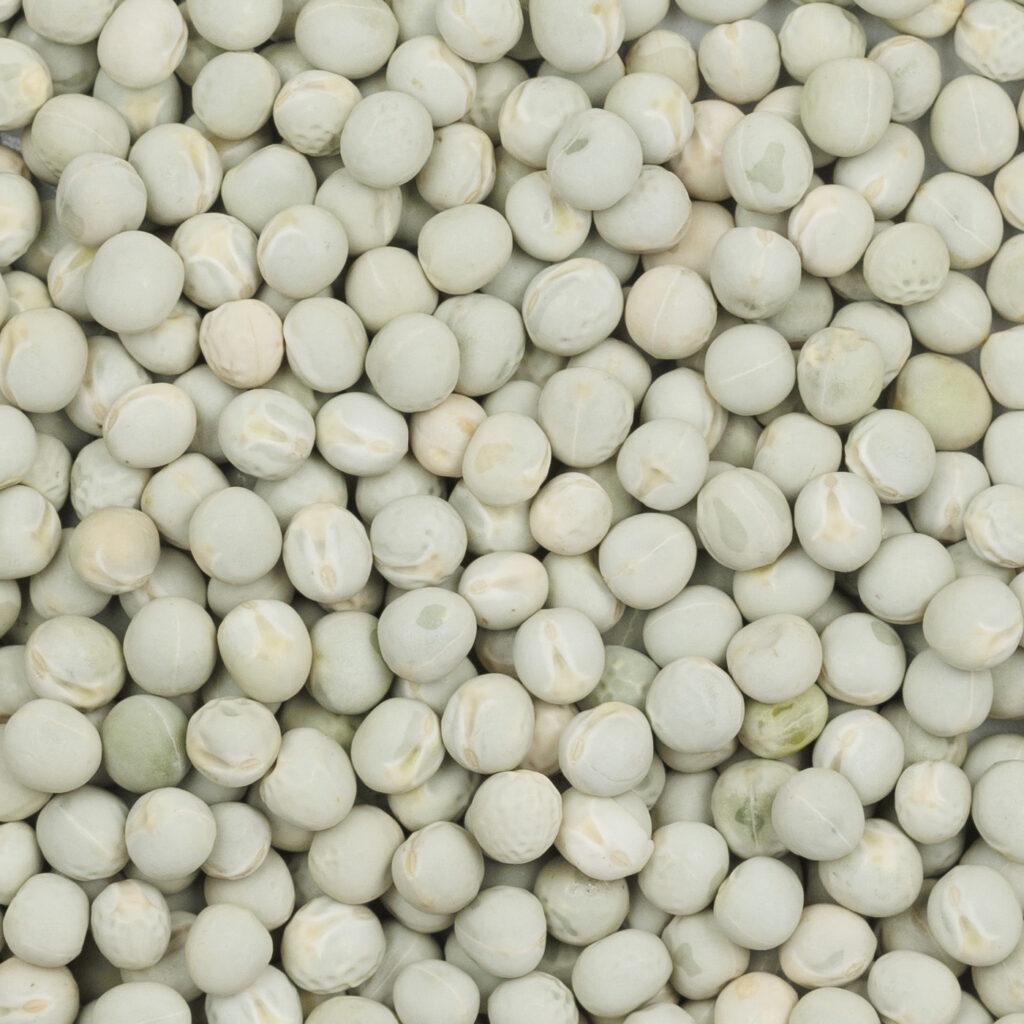
Kabuli Chickpea
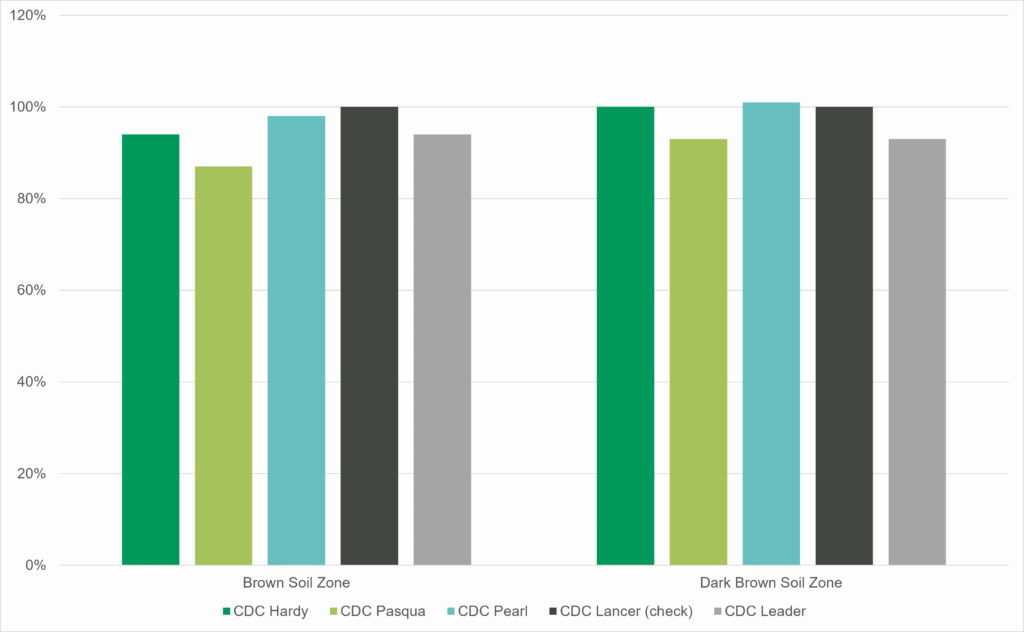
Plant breeding continues to give Saskatchewan producers strong Kabuli chickpea options. For 2027, growers have three varieties to consider, including one new addition, with differences in yield, seed size, and disease resistance. Yield comparisons are made against CDC Lancer, the check, and CDC Leader, currently the most widely grown variety.
% Yield of CDC Lancer by Variety for Kabuli Chickpeas
CDC Hardy, NEW
CDC Hardy is a new herbicide-tolerant Kabuli chickpea offering good yield and improved disease resistance. It yields 6% less than CDC Lancer in the brown soil zone and matches CDC Lancer in the dark brown soil zone; against CDC Leader, it yields similarly in the brown soil zone and 7% higher in the dark brown soil zone. This late-maturing variety (later than CDC Lancer) has a seed size of 348 TKW and offers improved resistance to Ascochyta blight, a step up from the intermediate resistance of other Kabuli varieties.
Learn more about CDC Hardy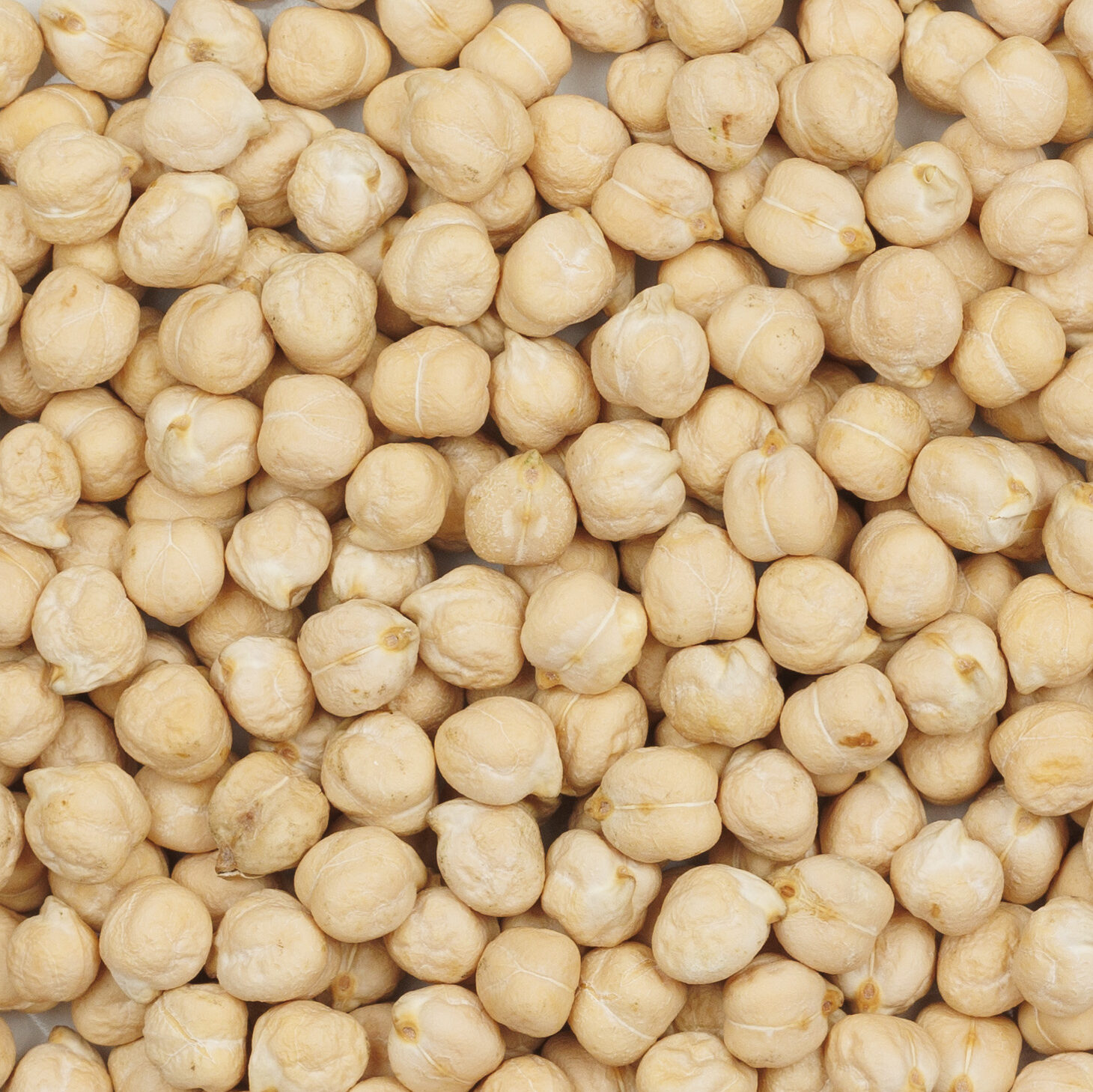
CDC Pearl
CDC Pearl continues to be a high-yielding option, delivering yields 2% lower than CDC Lancer in brown soils but 1% higher in dark brown soils. Compared to CDC Leader, it yields 4% higher in brown soils and 8% higher in dark brown soils. This medium-late maturity variety features a small seed size (293g TKW), making it suitable for some value-add markets, and exhibits intermediate resistance to Ascochyta blight.
Learn more about CDC Pearl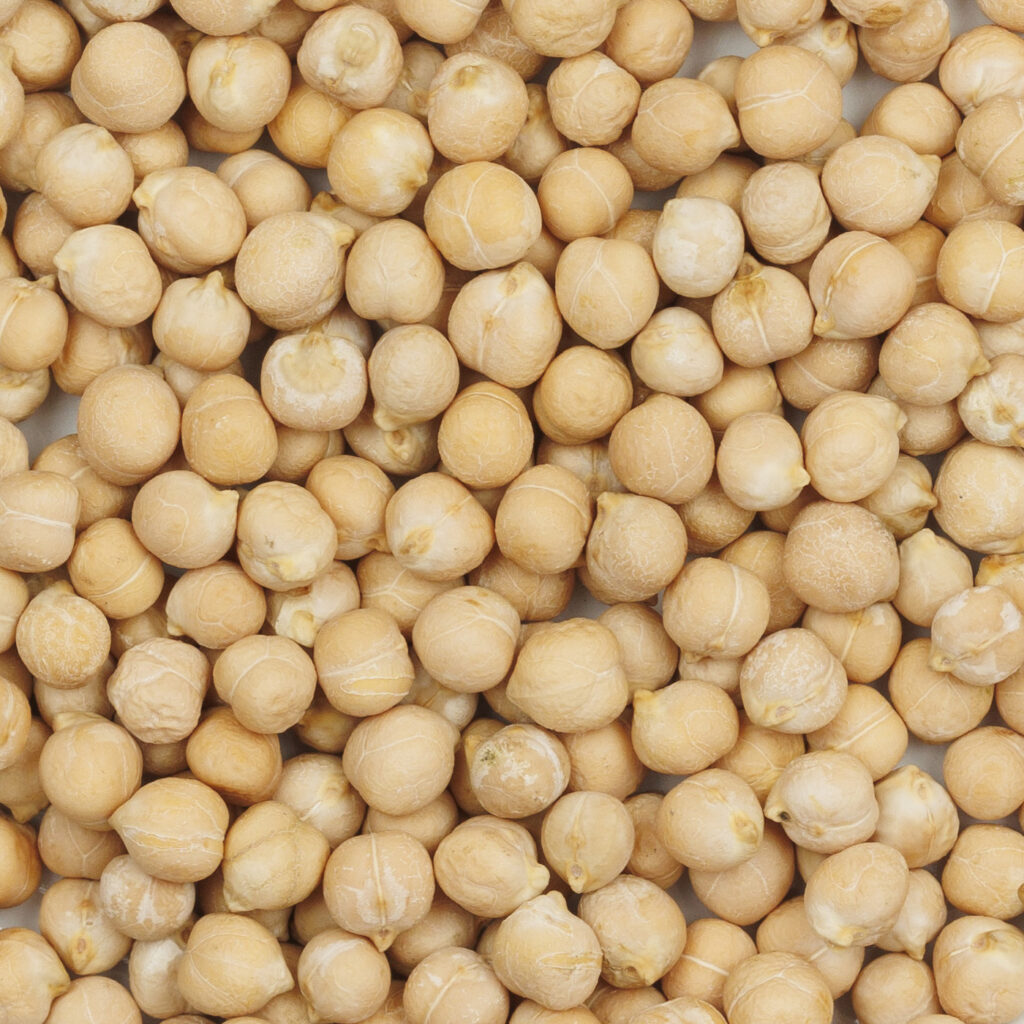
CDC Pasqua
Its large seed size is a characteristic of CDC Pasqua. It yields 13% less than CDC Lancer in brown soils and 7% less in dark brown soils, and 7% less than CDC Leader in brown soils but similar to CDC Leader in dark brown soils. CDC Pasqua produces the largest seed size available, capable of reaching 10mm (476g TKW). This late-maturing variety (later than CDC Leader, similar to CDC Orion) has intermediate resistance to Ascochyta blight.
Learn more about CDC Pasqua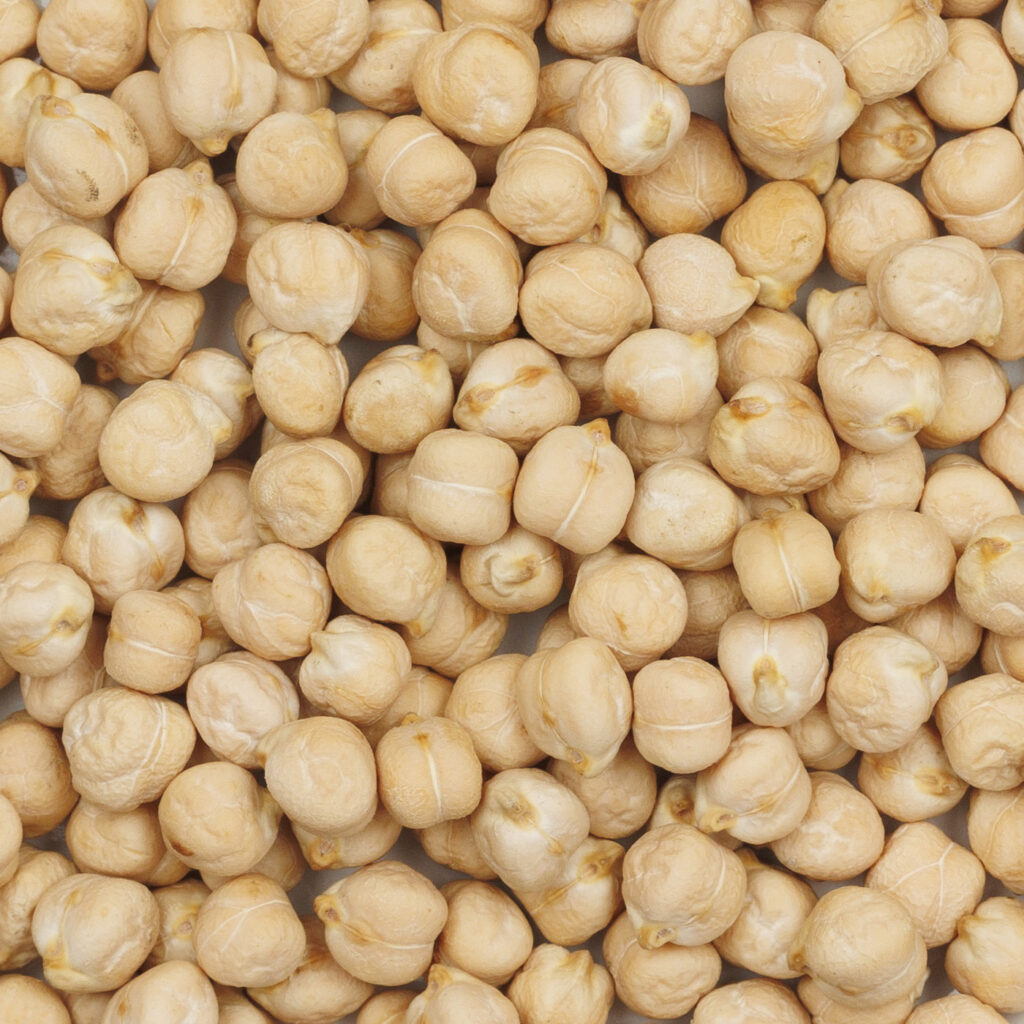
Faba Bean
As agriculture in Saskatchewan evolves, faba beans continue to emerge as a highly beneficial crop, particularly in the province’s cooler, moist areas. Growers now have three low vicine/convicine (LVC) varieties to consider, including two new additions for 2027.
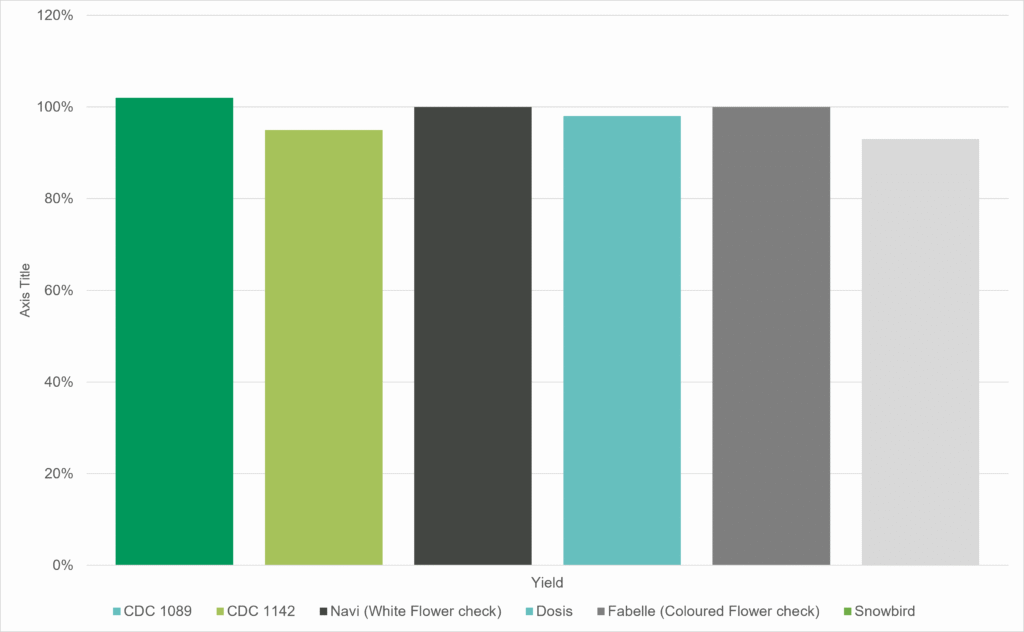
% Yield of Navi by Variety for Faba Beans
CDC 1089, NEW
CDC 1089 is a new low vicine/convicine (LVC), zero-tannin white-flowered faba bean that yields 2% more than Navi and 8% more than Snowbird. This variety matures one day later than Snowbird and 5 days earlier than Navi. Its seed size (375 TKW) makes seeding costs more economical.
Learn more about CDC 1089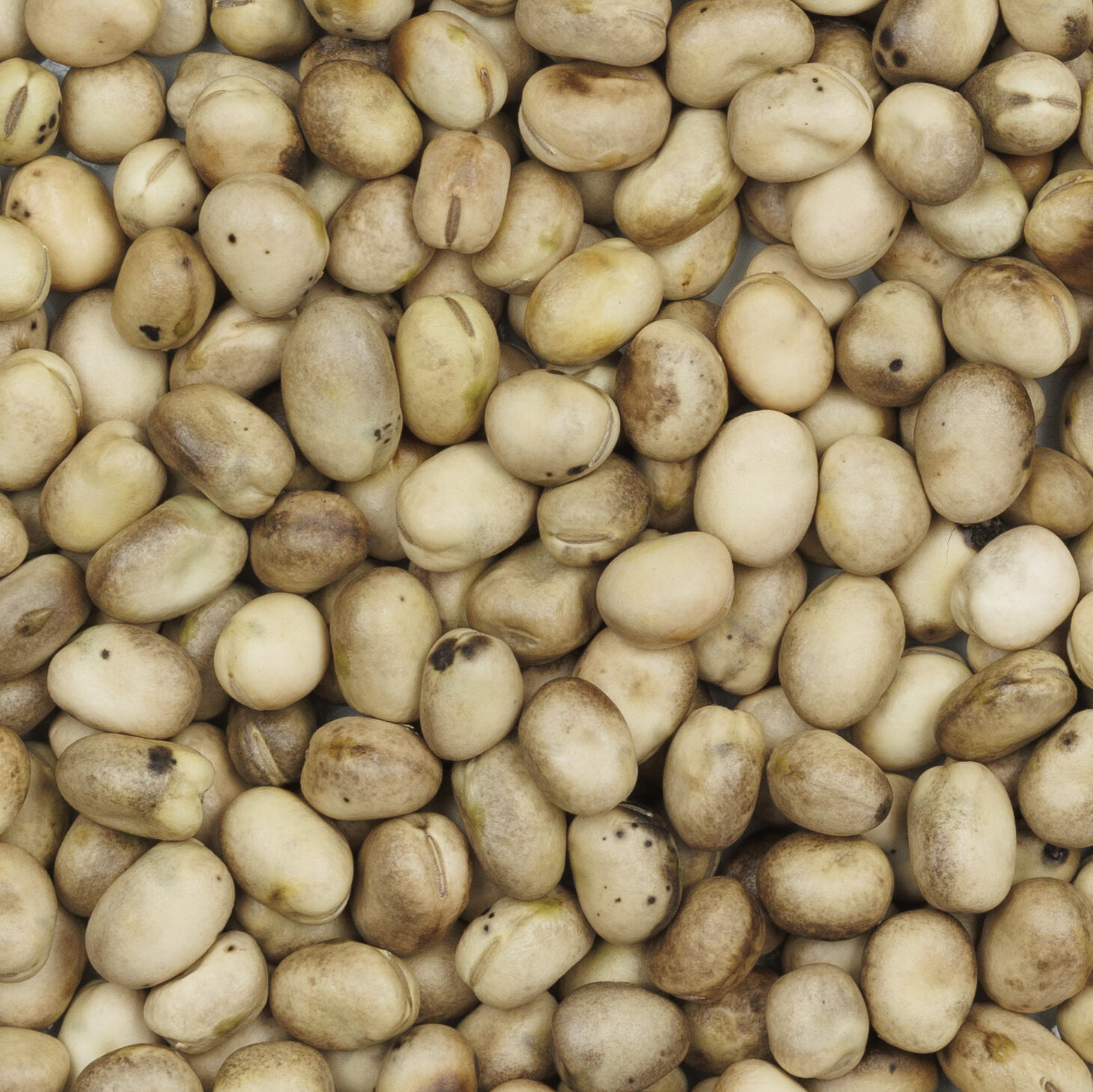
CDC 1142
CDC 1142 is a low vicine/convicine (LVC), zero-tannin white-flowered variety that yields 5% less than Navi but 3% more than Snowbird. This variety matures two days later than Snowbird and 4 days earlier than Navi. Its small seed size (341 TKW) makes the seed more economical, as it is smaller than both Snowbird and Navi.
Learn more about CDC 1142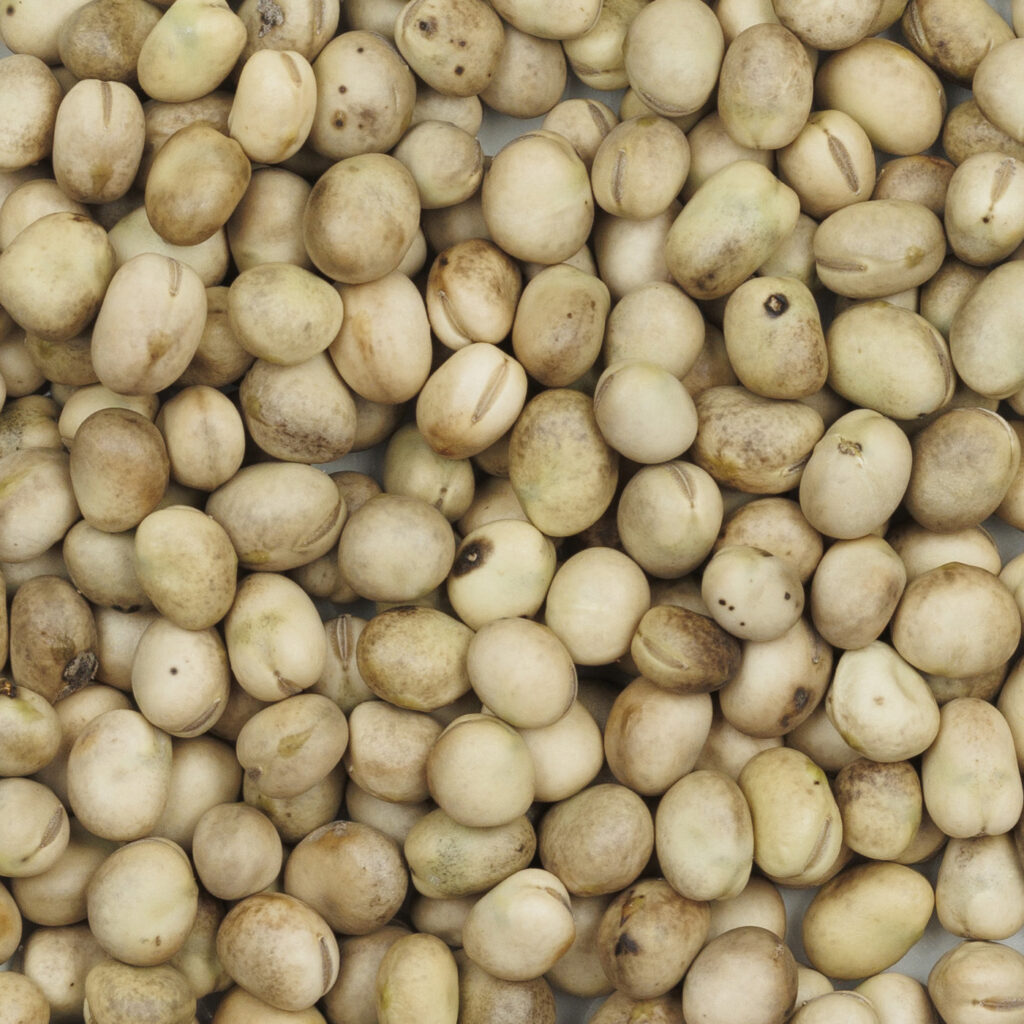
Dosis, NEW
Dosis is a new low vicine/convicine (LVC), tannin coloured-flowered faba bean that yields 2% less than Fabelle. It matures two days earlier than Fabelle, making it the earliest-maturing faba bean of this type. Its seed size (521 TKW) is slightly smaller than Fabelle.
Learn more about Dosis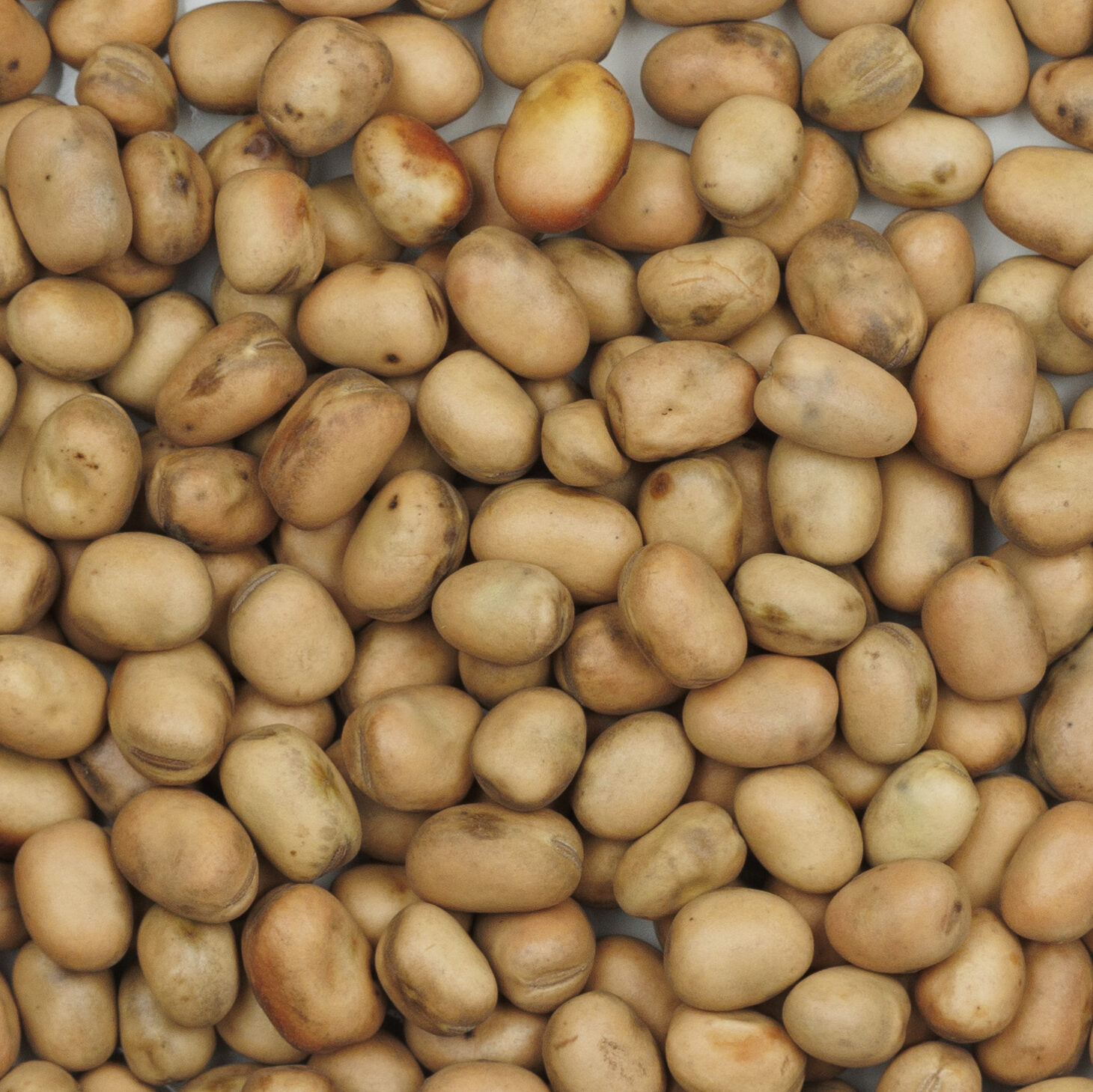

The Interactive SaskSeed® Guide lets users search for variety information relevant to their local area, select specific characteristics, and generate a report showing the varieties best suited to their regional growing conditions, along with listings of the breeder, distributor, and pedigreed seed growers who have that certified seed available.